

Confirm Letter Copy Paper Is 8.5 x 11—Not A4, Legal, Ledger, Letterhead, or Stationery
In US office purchasing, letter copy paper should be treated as a controlled size: 8.5 x 11 inches. The phrase often appears beside copy paper, printer paper, and multipurpose paper, but the purchase record should still say letter size clearly. If your team needs a deeper dimensional reference, keep the approved line aligned with 8.5 x 11 copy paper rather than a vague paper description.
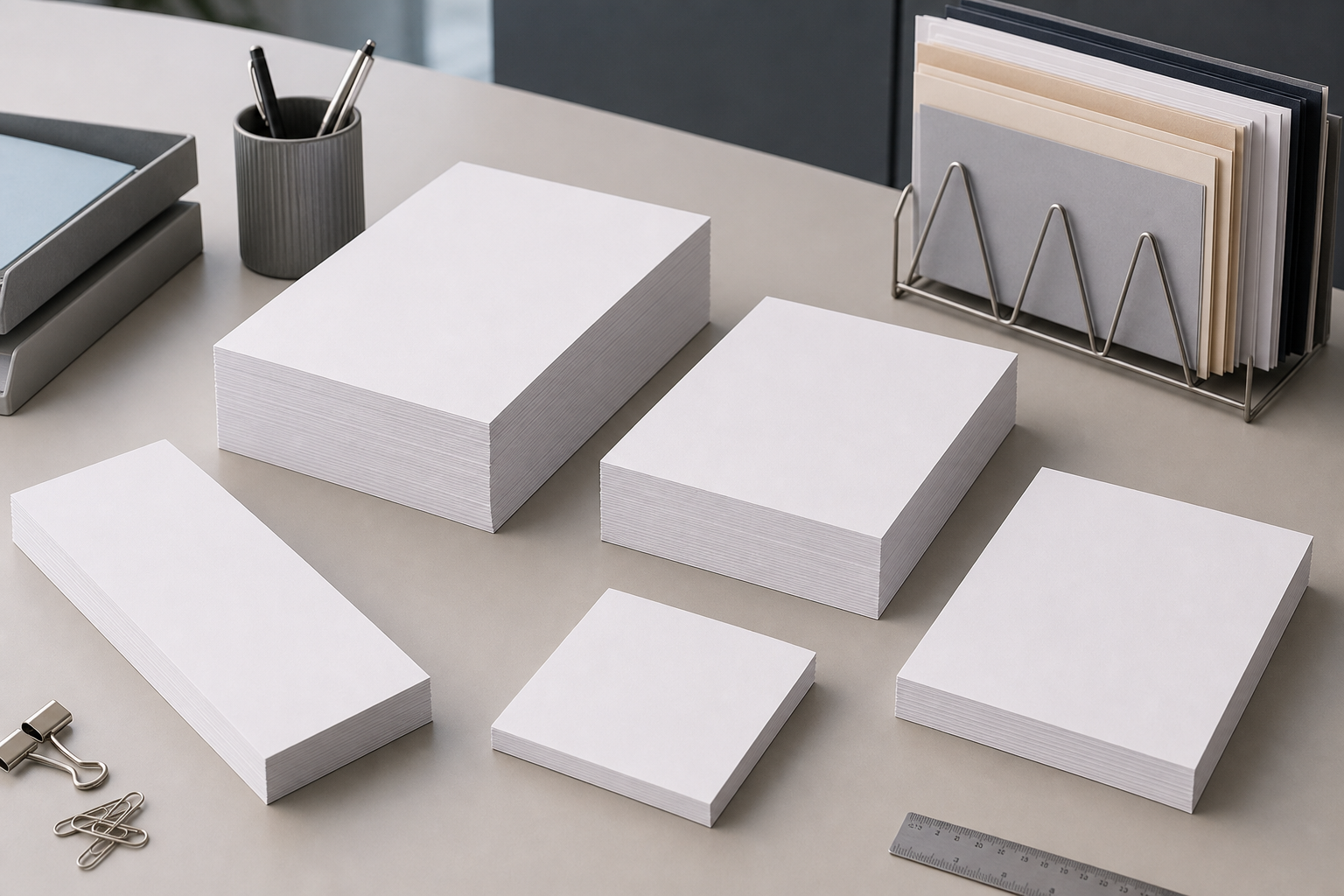
The wrong-order risk usually comes from adjacent categories. A4 is close enough to be confused in international catalogs but is not US letter. Legal paper is longer, commonly 8.5 x 14 inches, and ledger is larger, commonly 11 x 17 inches. Those sizes may be valid for contracts, spreadsheets, or drawings, but they should not be received as substitutes for everyday letter copy paper.
Also separate paper type from paper size. Letterhead may be 8.5 x 11, yet it is preprinted and usually controlled by brand or department approval. Stationery can refer to correspondence paper with a different finish, color, or packaging expectation. Forms may require perforation, numbering, carbonless construction, or preprinted fields. Treat these as distinct order lines so receiving staff can reject an unexpected specialty item even when the sheet dimensions match.
A practical receiving label is simple: letter copy paper, 8.5 x 11 inches, white, unpunched unless specified, pack unit stated. That wording prevents the supplier, requester, and stockroom from interpreting letter as a style of correspondence instead of the standard office paper size.
Turn Listing Filters Into Letter Copy Paper Purchasing Rules
Retail and marketplace listings encourage buyers to filter by size, sheet count, weight, brightness, color, punched format, and certification. Procurement should convert those filters into approval rules before a requisition becomes a purchase order. The goal is not to over-specify every attribute; it is to decide which fields must be fixed for repeat orders and which fields can be compared among acceptable options.
| Listing field | Purchasing rule | Risk reduced |
|---|---|---|
| Size | Mandatory: US letter, 8.5 x 11 inches | Prevents A4, legal, and ledger substitutions |
| Sheet count or pack unit | Mandatory for comparison | Avoids comparing reams, cartons, and cases unevenly |
| Weight, brightness, color | Controlled spec or approved range | Protects document appearance and printer expectations |
| Punched format or certification | Policy-driven field | Stops specialty variants from entering standard stock |
Terms such as copy paper, printer paper, and multipurpose paper can overlap in listings. That overlap is acceptable only after the line item still confirms letter size, intended printer or copier use, and any department-specific constraints. A product described as multipurpose may still need verification for weight, finish, brightness, and whether it is punched or unpunched.
For many everyday office documents, buyers commonly see 20 lb white paper and brightness ratings such as 92. If that weight will become the office default, document it explicitly and review how 20 pound copy paper fits the broader standard. If certification language such as recycled content or FSC certification is required by policy, it should be a controlled field, not a note left for the buyer to remember at checkout.
Match Reams, Multi-Ream Packs, Cases, and Reorders to Operational Fit
The pack format for letter copy paper should reflect how paper moves through the organization, not just the visible unit price. A single 500-sheet ream gives tight control for low-use locations, trial purchases, remote staff, or specialty variants that should not fill the stockroom. It is also easier to store, but it may create frequent ordering if the department prints daily.
Multi-ream packs fit teams with predictable but moderate demand. They reduce individual purchase requests without requiring the receiving and storage discipline of full cases. For shared printer areas, copier rooms, and administrative departments, a case format may be more practical, especially when the approved unit is clearly defined as a case, carton, or ream bundle.
A 5,000-sheet or 10-ream case is often discussed as a stock-up option, but procurement should confirm the actual ream count before comparing offers. Some listings emphasize total sheets, others emphasize cases, and some use carton language. If the buying unit is likely to be a copy paper 10 ream case, define whether the PO quantity refers to cases or reams so receiving can match the shipment without debate.
For centralized stockrooms, set a reorder rule instead of waiting for emergency requests. Track average weekly or monthly draw, available storage, handling limits, and the number of departments consuming the paper. The right pack format is the one that keeps standard letter copy paper available without tying up space in slow-moving inventory or allowing each department to buy a different line item.
Use a Print-Environment Matrix for Letter Copy Paper Demand
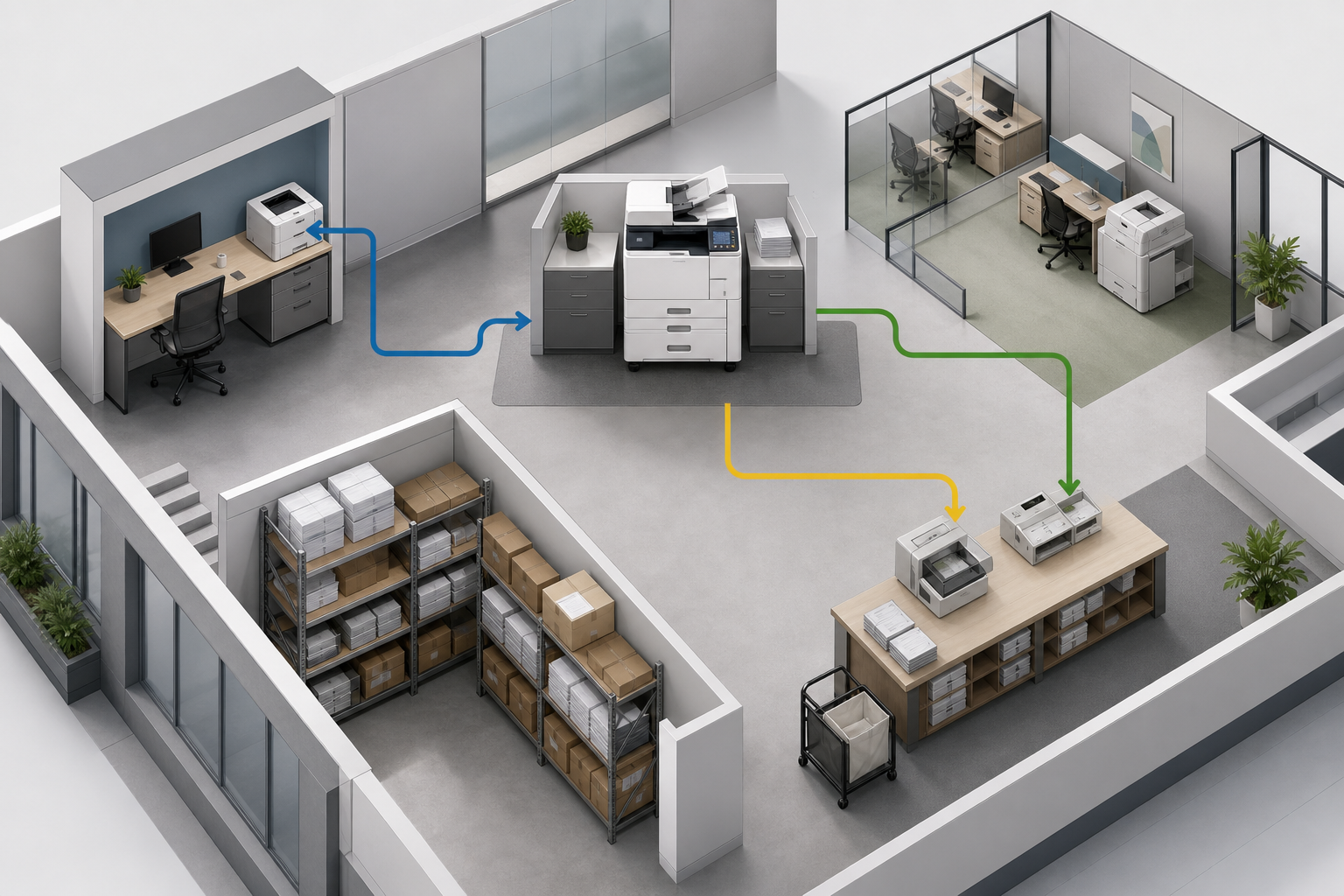
Letter copy paper consumption changes by print environment. A school office, accounting team, facilities desk, and mailroom may all use the same 8.5 x 11 paper, but they do not create the same reorder pattern. A simple matrix helps procurement standardize the base paper while still planning the right quantity, storage point, and receiving routine for each area.

| Print environment | Demand pattern | Buying consideration |
|---|---|---|
| Desktop printers and small workgroups | Lower volume, dispersed use | Use reams or small packs when tight control matters |
| Shared MFPs and copier rooms | Higher, continuous draw | Define approved case or stockroom replenishment rules |
| Department printer areas | Predictable cycles by team | Assign budget ownership and reorder thresholds |
| Mailrooms and forms stations | Mixed documents, inserts, and forms | Keep everyday letter paper separate from forms paper |
| Centralized stockrooms | Multi-department consumption | Use receiving checks, issue records, and min-max levels |
This matrix also supports supplier communication. Instead of asking for general office paper, the buyer can explain where the paper will be consumed and how it will be replenished. A shared copier room may justify a different pack unit than a remote office printer, even when both require the same letter-size sheet.
Print-environment planning is especially useful when departments request exceptions. If a mailroom needs preprinted forms, that need should not alter the standard letter copy paper line for general printing. If a department prints customer-facing documents, procurement can decide whether brightness or weight should be fixed more tightly for that location while keeping the base size and pack rules consistent.
Set Substitution Rules for Letter Copy Paper Before Stock Changes
Substitution decisions should be written before an item is unavailable or a requester is under time pressure. For standard letter copy paper, the first rule is that a substitute must preserve the business function of the approved line. If the paper feeds shared office printers and copiers, the substitute should not change the size, pack unit, or punched status without approval.
Separate must-match from conditional attributes
- Must-match: US letter 8.5 x 11 inches, unpunched versus 3-hole punched, required certification, and the purchasing unit used on the PO.
- Conditional: 20 lb weight versus an approved equivalent, brightness around a defined minimum or range, recycled content when not policy-mandated, and brand preference.
- Separate lines: colored paper, heavier presentation paper, letterhead, legal, ledger, stationery, carbon copy or carbonless forms, and preprinted forms.
Receiving checks should mirror the substitution rule. The dock or stockroom should confirm size, case or ream count, sheet count, punched format, color, and any certification language that was mandatory. If the supplier proposes a change, require written confirmation of which attribute is changing and whether the buyer has approved it.
This approach gives procurement flexibility without letting substitutions dilute the standard. A buyer may allow comparable brightness when the document use is internal, but still reject A4, legal-size paper, 3-hole punched sheets, or a smaller pack unit if the approved line was for unpunched letter copy paper by case.
Normalize Letter Copy Paper Value Without Inventing a Price
Price screens can be misleading when units differ. Normalize every quote to comparable sheet and ream counts before discussing value. A 500-sheet ream, a multi-ream bundle, an 8-ream carton, and a 10-ream case are not interchangeable unless you convert them into total sheets and confirm whether the specifications match.

Value also includes fulfillment effort. Record whether the quote assumes delivery, pickup, will-call, or another purchasing path; do not treat those paths as equal if they create different labor, receiving, or storage requirements. Local pickup may solve an urgent shortage, while planned bulk purchasing may reduce order frequency, but neither should change the approved paper specification without a buyer’s decision.
- What is the total sheet count received per PO line?
- How many reams or cases fit in the available storage area?
- Will partial cases create loose inventory that is hard to count?
- Does the paper meet daily printer and copier expectations?
- What handling, freight, or pickup effort should be included in the comparison?
Do not rely on a cheapest label, sale message, or package photo alone. A lower headline cost may not be a better result if it increases waste, causes printer complaints, or forces departments to buy emergency replacements. A fair comparison holds size, weight, brightness, color, pack unit, and required certifications constant, then reviews the total effort required to receive, store, issue, and reorder the paper.
Build a Quote-Ready Letter Copy Paper Line Item
The final step is to turn search filters and usage assumptions into one line that a supplier, buyer, and receiver can read the same way. A quote-ready line item does not need to name a brand unless your organization requires one. It does need to remove ambiguity about size, pack unit, quantity, and allowed substitutions.
| Field | Example wording to adapt |
|---|---|
| Description | Letter copy paper for everyday office printing and copying |
| Size | US letter, 8.5 x 11 inches |
| Weight | 20 lb, or buyer-approved equivalent if permitted |
| Brightness | 92 brightness or buyer-approved range |
| Color and format | White, unpunched; create separate line for 3-hole punched |
| Pack unit | 500 sheets per ream; define reams per case or carton |
| Quantity | State required quantity and whether the unit is reams, packs, cartons, or cases |
| Certification | Specify only if policy requires recycled content, FSC, or other documentation |
| Substitution | Must match size and pack unit; list any flexible attributes |
Before comparing suppliers or placing a repeat order, convert your paper need into this kind of quote-ready order line: size, weight, brightness, pack unit, quantity, and substitution preferences first; availability, delivery, pickup, or bulk purchasing path second. That sequence lets procurement compare offers without turning each reorder into a new interpretation exercise.
For recurring use, store the approved line in purchasing records with reorder-trigger notes, receiving checks, and variant rules. If usage changes, update the rule deliberately rather than letting departments create new informal paper standards.
Frequently Asked Questions
For US purchasing, does letter copy paper need the size written out?
Yes. Even when a listing says letter copy paper, the order record should state 8.5 x 11 inches so buyers, suppliers, and receiving teams do not confuse it with A4, legal, ledger, letterhead, or forms paper.
Can 20 lb or 92 brightness be treated as an acceptable range?
They can be flexible only if procurement has approved that flexibility. If document appearance, printer behavior, or department standards matter, fix the weight and brightness on the order line; otherwise, state the allowed range clearly.
What shows that a department has outgrown single-ream ordering?
Frequent emergency requests, shared copier-room use, recurring monthly demand, or stockroom issue records can all indicate that multi-ream packs or cases should be evaluated. The decision should include storage space, handling, and reorder control, not only sheet count.
Which paper variants should get their own SKU or PO line?
Create separate lines for 3-hole punched paper, required recycled or FSC-certified paper, letterhead, colored sheets, legal or ledger sizes, heavier presentation paper, and forms or carbonless paper. This keeps specialty items from replacing the standard letter copy paper line.
How should buyers handle unavailable letter copy paper without losing spec control?
Use pre-approved substitution rules. Size, pack unit, punched status, and required certifications should remain must-match fields unless a buyer approves the change, while brand preference or brightness range may be flexible if documented.
How should delivery, pickup, or availability be checked for an approved paper spec?
Verify fulfillment separately from the product specification. Buyers should confirm the exact approved size, pack unit, weight, brightness, color, and certification first, then evaluate delivery or pickup as a purchasing-path factor.
What fields make a letter copy paper request reorder-ready?
A reorder-ready request should include US letter size, paper color, punched status, weight, brightness or approved range, sheets per ream, reams per case or carton, order quantity, certification requirements, and substitution limits.