

Paper Color Copy: Colored Paper Purchase or Color Copy Printing Job?
The search phrase paper color copy can point to two different purchasing paths. In a procurement setting, separate them before discussing color charts or pack sizes. If end users will load pre-colored sheets into an office printer, copier, or MFP, the item is colored copy paper or colored printer paper. If the business needs white or specialty paper printed with full-color artwork, photos, heavy ink coverage, trimming, binding, or outsourced production control, the request is closer to a color copy printing job.
| Buyer need | Better path | Reason to choose it |
|---|---|---|
| Print black text, forms, schedules, or notices on colored sheets | Buy colored copy paper | The color is built into the paper and can be reordered as office supply |
| Produce full-color graphics, client-facing collateral, or finished packets | Use a printing service | The output quality, finishing, and production handling matter more than the paper color alone |
| Copy, scan, or reproduce existing documents | Confirm the copy workflow first | The paper may be standard white copy paper rather than colored stock |
Keep requisitions clear because users may say color copies when they mean printed output, not paper. If someone is trying to make or manage copies of existing documents rather than select colored stock, this copying a paper buying guide may be the better reference. For this article, the buying path is colored copy paper: a reorderable office supply with a defined color, size, weight, finish, sheet count, and equipment fit.
Assign Colors to Office Signals Before Selecting a Shade
Colored copy paper works best when the color communicates something consistent. Before selecting pastel blue, bright yellow, fluorescent orange, or an assorted pack, define what the color is supposed to signal in the workflow. This prevents each department from choosing colors independently and creating a system that is hard to replenish or explain to new users.

| Color approach | Practical signal | B2B use cases |
|---|---|---|
| Pastels | Routine but recognizable | Daily forms, filing routes, recurring schedules, classroom handouts, department copies |
| Bright or fluorescent colors | Attention, urgency, or temporary visibility | Internal notices, event changes, temporary signage, deadline reminders, special routing sheets |
| Assorted colors | Multiple users or categories | School offices, shared supply closets, multi-department packets, training sessions, event planning |
For business workflows, color should not be treated as decoration only. A facilities team may use one shade for maintenance notices, an office manager may assign another to visitor schedules, and a school office may reserve a color for parent communications. Document those assignments in the purchasing note so reorders support the same system.
Also consider readability before locking in a shade. Pale sheets may be easier for routine black text, while very intense sheets can be useful for short notices but may not suit dense forms. The goal is to make the document easier to recognize, route, and retrieve without making the printed content harder to read.
Single-Color Reams or Assorted Packs: Plan for the Next Reorder
The choice between a single-color ream and an assorted color pack is not just a preference issue. It affects replenishment, storage, user behavior, and how easily a buyer can repeat the order later. A single-color ream is usually the cleaner option when one workflow has become standardized, such as yellow daily schedules, blue internal request forms, or pink event notices.
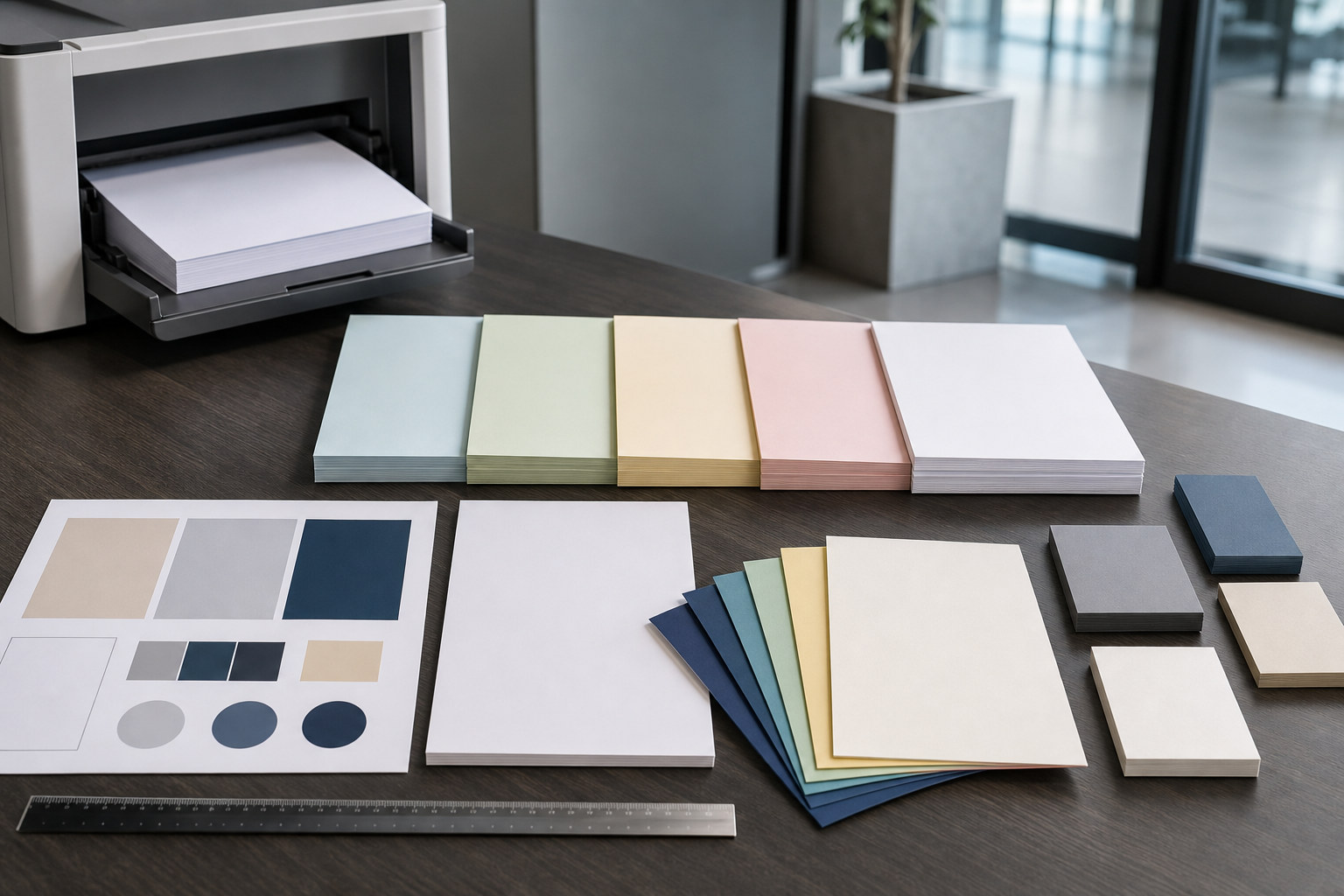
- Choose single-color reams when one shade is used repeatedly, consumption is predictable, and staff expect the same color every time.
- Choose assorted packs when several departments share supply, the use case is still being tested, or the office needs small amounts of multiple colors.
- Avoid vague reorder notes such as more colored paper. Record the color family, pack type, sheet size, weight, finish, and sheet count.
Assorted color copy paper can be useful, but it creates a different inventory risk: stranded colors. If one department uses all the blue sheets and another rarely uses purple, the office may have paper on the shelf that does not match the next request. In repeat-order environments, that can lead to rushed substitutions, inconsistent forms, and confusion when a color-coded process depends on one recognizable shade.
For procurement teams, the practical question is whether the color plan is stable. If it is stable, standardize the shade and reorder unit. If it is not stable, use assorted packs as a controlled trial and record which colors actually get consumed before moving to larger repeat orders.
Write the Colored Copy Paper Order Line
A strong paper color copy requisition should read like a repeatable specification, not a general request for colored paper. The buyer, approver, and supplier should all be able to identify the same product type from one line. This is especially important when multiple departments order similar colors or when an office alternates between single-color reams and assorted packs.
- Color family: pastel, bright, fluorescent, or a named office standard.
- Pack type: single-color ream, assorted pack, or multi-pack format if listed.
- Size: letter size for standard office documents or legal size when forms require it.
- 重量: 20 lb for routine office use or 24 lb when a slightly more substantial sheet is requested.
- Finish and count: smooth finish where specified, plus sheet count such as 500 sheets per ream.
- Conditional fields: recycled content, acid-free requirement, and equipment compatibility if those are part of the purchasing policy.
A sample order line might read: colored copy paper, pastel blue, single-color ream, letter size, 20 lb, smooth finish, 500 sheets per ream, compatible with the office printer and copier environment, acid-free only if required by the file-retention policy. This is a template, not a product claim.
If the team also buys standard office paper, compare the colored paper line against broader copy and printer paper options so specifications do not drift between white and colored stock. When comparing online listings or local purchase paths, verify that the visible description matches the same unit, size, weight, finish, and sheet count before approving the order.
Prove Print Readability Before Ordering Volume
Colored copy paper introduces a quality check that plain white copy paper does not: the paper color can change how printed text, barcodes, form fields, highlights, and small type appear to the reader. Before approving a larger quantity, run a short sample in the same printer, copier, or MFP environment that will handle the actual job.

- Check contrast: print typical documents on the chosen shade, including small text, form labels, signatures, and any shaded boxes.
- Test the real equipment path: use the same tray, duplex setting, paper orientation, and print mode expected for daily use.
- Review feed behavior: watch for misfeeds, curl, or stacking issues, especially if moving from 20 lb to 24 lb paper or using a finish the equipment does not normally handle.
- Evaluate duplex use: confirm whether two-sided printing remains readable and whether show-through affects forms or schedules.
- Scan or copy a sample: if documents will be duplicated later, make sure the colored sheet still produces a usable copy or scan.
Do not rely only on the paper listing. Confirm the selected weight and finish against equipment guidance, especially in shared office environments with several devices. For a broader equipment-fit framework, see this copy on paper office printing guide. Keep the sample results with the reorder note so future buyers know which color, weight, and device combination has already been tested.
Map Common B2B Workflows to Paper Choices
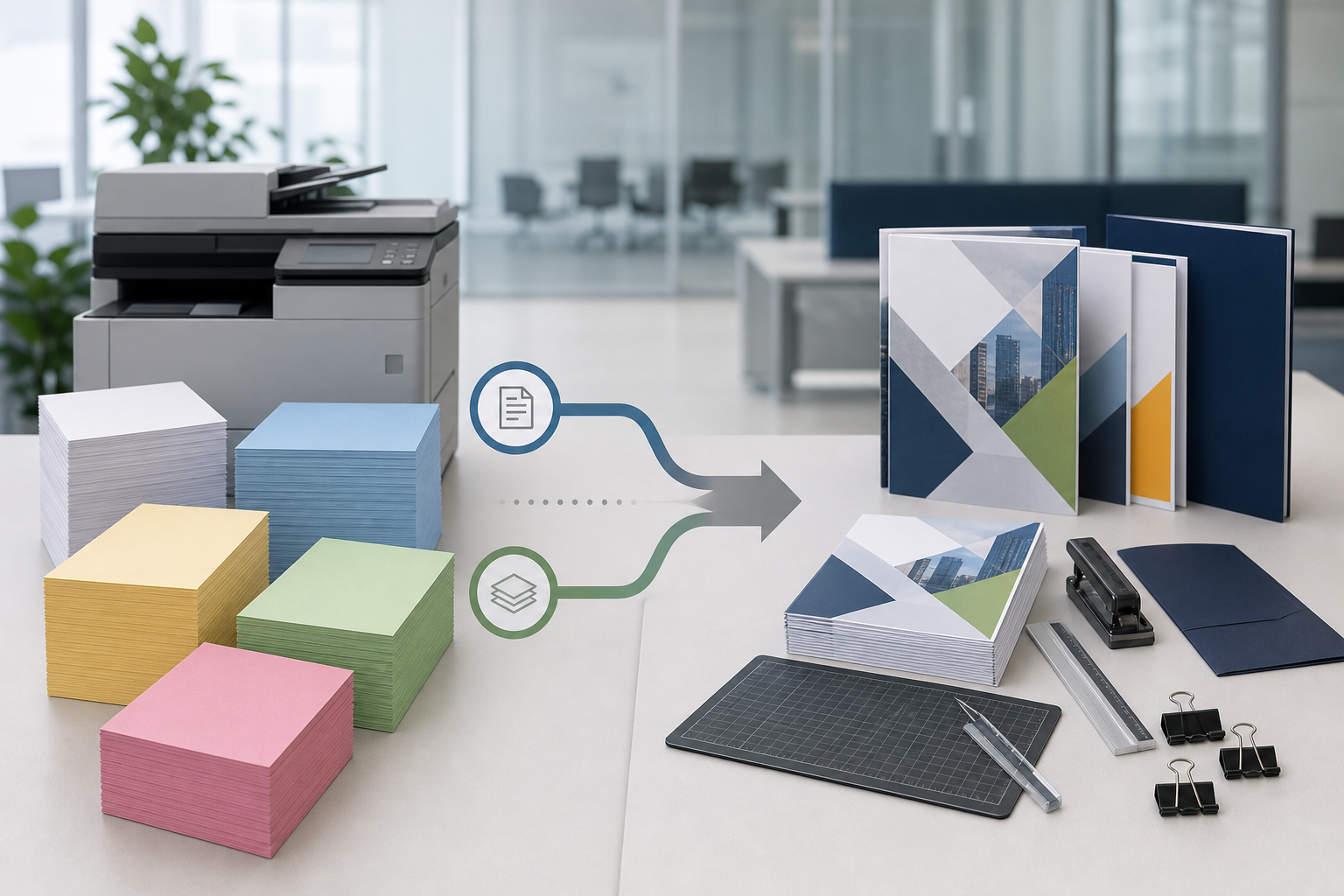
Once the color signal and order line are defined, match the paper choice to the actual document workflow. Colored copy paper used for a one-day event does not need the same replenishment planning as a form printed every morning. A school office, facilities department, HR team, or administrative buyer should connect each use case to a practical color family, pack type, and quantity plan.
| Workflow | Practical paper choice | Procurement note |
|---|---|---|
| Daily forms, route sheets, and recurring schedules | Pastel or standardized single-color reams | Use one repeatable color so staff recognize the document type quickly |
| Internal notices and short-term alerts | Bright or fluorescent sheets | Reserve attention-getting colors for messages that should stand out |
| Classroom or department handouts | Assorted packs or assigned department colors | Track which colors are actually used before standardizing reorders |
| Newsletters, events, and training packets | Pastel or bright paper depending on readability needs | Test a sample page before printing dense text or multi-page sets |
For B2B buyers, the output is not a creative color list; it is a supply rule. State which document types use which colors, who can request substitutions, and whether the paper should be stocked centrally or by department. This reduces last-minute substitutions and helps purchasing compare equivalent options when a listing changes or a preferred shade is unavailable.
When Colored Copy Paper Is the Wrong Procurement Choice
Not every paper color copy request should become an order for colored copy paper. Procurement teams should pause when the document depends on brand color accuracy, full-color images, heavy coverage, finishing, or durability beyond normal office handling. In those cases, the better solution may be white paper with color printing, heavier stock, specialty paper, or an outside printing service.
- Use white paper with color printing when logos, charts, photos, or brand graphics need to reproduce clearly and consistently.
- Use heavier paper or cardstock when the item functions like a sign, card, cover sheet, divider, or frequently handled event piece.
- Use a printing service when trimming, binding, collating, heavy ink coverage, or production consistency matters more than stocking colored paper internally.
- Use specialty forms when the workflow requires duplicate copies, multipart records, or other form behavior that ordinary colored copy paper does not provide.
For buyers searching colored printer paper near me, treat local and online sourcing as a verification process, not an assumption of availability. Confirm the exact color family, sheet size, weight, finish, sheet count, pack type, and substitution policy before relying on a nearby listing, pickup path, or marketplace result. If a substitute is accepted, record it so the next reorder does not drift from the approved color-coding plan.
Before comparing options or requesting a quote, prepare a reorder-ready colored paper specification: color family, single-color or assorted pack preference, sheet size, paper weight, expected quantity, printer or copier environment, and any recycled or acid-free requirement. That one specification turns a vague color request into a controlled office supply purchase.
常見問題
Does paper color copy usually mean colored copy paper or color copy printing?
In office purchasing, the phrase often points to colored copy or printer paper, but it can also mean a color copying job. Buy colored sheets when your team will print forms, notices, or schedules in-house. Consider a printing service when the job depends on full-color graphics, finishing, or outsourced production control.
What does colored copy paper 500 sheets mean?
It usually means one ream, which is a common office-paper buying unit. Before adding it to a reorder list, verify whether the listing is a single 500-sheet ream, an assorted pack, or part of a larger carton.
Is assorted color copy paper better than single-color reams for departments?
Assorted packs work well when several teams need small quantities or are still testing a color-coding system. Single-color reams are usually better once one shade is assigned to a recurring form, notice, classroom handout, or department workflow.
Can colored copy paper run through copiers and MFPs?
Many colored copy papers are intended for office printers, copiers, and MFPs, but buyers should still verify size, weight, finish, and equipment guidance. Run a short sample before approving volume use, especially for duplex printing or heavier 24 lb sheets.
How should I look for colored printer paper near me?
Treat local results as options to verify, not confirmed supply. Check the exact color family, pack type, sheet size, weight, sheet count, and substitution policy before visiting a store or placing a pickup order.
What should a buyer define before ordering colored copy paper for an office or school?
Define what each color should signal, the preferred shade family, single-color or assorted pack format, letter or legal size, 20 lb or 24 lb weight, sheet count, printer or copier environment, and any recycled or acid-free requirement.