

Before You Order: What "10 Ream Copy Paper" Still Needs to Specify
A request for 10 ream copy paper is a useful starting point, but it is not complete enough for a clean B2B purchase order. It indicates the buyer likely wants a bulk carton, yet it does not confirm sheet size, paper weight, brightness, color, device compatibility, delivery location, or whether substitutes are acceptable. Those missing fields are where wrong-size orders and inconsistent reorders usually begin.
Before placing the order, procurement should convert the request into a written spec that can be approved, quoted, and repeated. At minimum, confirm:
- Paper size, such as 8.5 x 11 letter or 8.5 x 14 legal.
- Total sheet count and reams per carton.
- Paper weight, brightness, color, and intended use.
- Printer, copier, or MFP compatibility expectations.
- Carton quantity, delivery location, and receiving instructions.
- Rules for substitutions, equivalent items, or mixed specifications.
The requester or print-station owner should confirm document size and device use. Facilities or receiving should confirm delivery point, elevator or dock constraints, and storage location. Procurement should own the final supplier-facing language, so every seller is quoting the same product. If those roles are not separated in your organization, still document the decisions before checkout or RFQ submission. The goal is simple: change “buy 10 reams” into an item line that leaves little room for interpretation.
Confirm the Sheet Math: 10 Reams Usually Means 10 x 500 = 5,000 Sheets
The common office-paper assumption is straightforward: if each ream contains 500 sheets, then 10 reams equals 5,000 total sheets. That is the quantity many buyers expect when they search for 10 ream copy paper or copy paper 10 ream. Procurement should still verify the product listing, quote, or carton label before ordering, because packaging language can vary across sellers.

A ream of copy paper is usually the 500-sheet building block. A case or carton often refers to the larger shipping unit that contains multiple reams, but the words case, carton, pack, and box are not always used consistently. If a listing says 10 reams but does not clearly state 500 sheets per ream, do not assume the total sheet count without confirmation.
Write the quantity on the order in both package and sheet terms. A clear line might say: 1 carton, 10 reams per carton, 500 sheets per ream, 5,000 sheets total. If ordering multiple cartons, keep the math visible: 2 cartons equals 20 reams and 10,000 sheets when the same 500-sheet ream format is confirmed. This helps approvers, receiving teams, and budget reviewers understand exactly what is being purchased and reduces confusion between a single ream and a 10-ream carton.
Build the Procurement Spec Line for 10 Ream Copy Paper
The most useful output from a 10 ream copy paper request is a repeatable order line. This gives suppliers the same requirements and gives internal approvers a consistent standard for future reorders. If your team needs more background on how paper specs affect office use, use a copy paper and printer paper buying guide before finalizing the line.
Reusable RFQ or purchase-order format
範例: Multipurpose copy paper, 8.5 x 11 letter, 20 lb, 92 brightness, white, 500 sheets per ream, 10 reams per carton, 5,000 sheets total per carton, for office printers/copiers/MFPs, carton quantity: [insert quantity], delivery to [location or ZIP], receiving notes: [dock, floor, business hours, pallet or handoff instructions].

| 現場 | Decision to state |
|---|---|
| 尺寸 | 8.5 x 11 letter for standard documents, or 8.5 x 14 legal only when the document and tray require it. |
| 重量 | 20 lb is a common everyday office-paper weight, but confirm the device and document requirement. |
| Brightness and color | 92 brightness and white paper are common for clear general documents; state the expected value instead of assuming it. |
| 使用個案 | Multipurpose paper is typically selected for printers, copiers, reports, memos, forms, invoices, and meeting packets. |
Once this format is approved, keep it in the purchasing system as the standard reorder line so departments do not recreate the spec differently each time.
Calculate Landed Cost, Not Just the Carton Price
The lowest visible carton price is not always the lowest purchasing cost. For 10 ream copy paper, compare offers only after the specification is aligned: same size, same sheets per ream, same reams per carton, same paper weight, same brightness, and same color. Otherwise, a lower price may simply reflect a different product.

Use unit economics to normalize each option. To compare reams of copy paper by quantity, record the carton price, divide by 10 for the per-ream cost, and divide by 5,000 for the per-sheet cost when the 10 x 500 format is confirmed. Then add cost factors that may not appear in the headline price.
| Cost item | How to evaluate it |
|---|---|
| Carton price | Compare only against cartons with equivalent specs and sheet count. |
| Per-ream cost | Carton price divided by 10, before or after added costs depending on your policy. |
| Per-sheet cost | Total comparable cost divided by 5,000 sheets for one confirmed carton. |
| Shipping or freight | Include delivery charges, handling fees, minimums, or accessorial charges where shown. |
| Account factors | Consider membership requirements, order limits, purchasing-card rules, or negotiated account terms. |
Searches for wholesale, cheapest, nearby, Amazon, Walmart, or Staples options should be evaluated through this same landed-cost lens. The question is not which label looks cheapest; it is which verified spec delivers the required paper at the lowest approved total cost with acceptable ordering risk.
Fit a 10-Ream Order Into Workplace Paper Flow
A 10-ream quantity is practical only if it fits how paper moves through the workplace after receiving. In an office, school, clinic, facility, or small business, the carton may be split across print stations, copier rooms, shared supply cabinets, administrative desks, or department storage. Procurement should know who will receive it, who will distribute it, and where unopened reams will be kept.
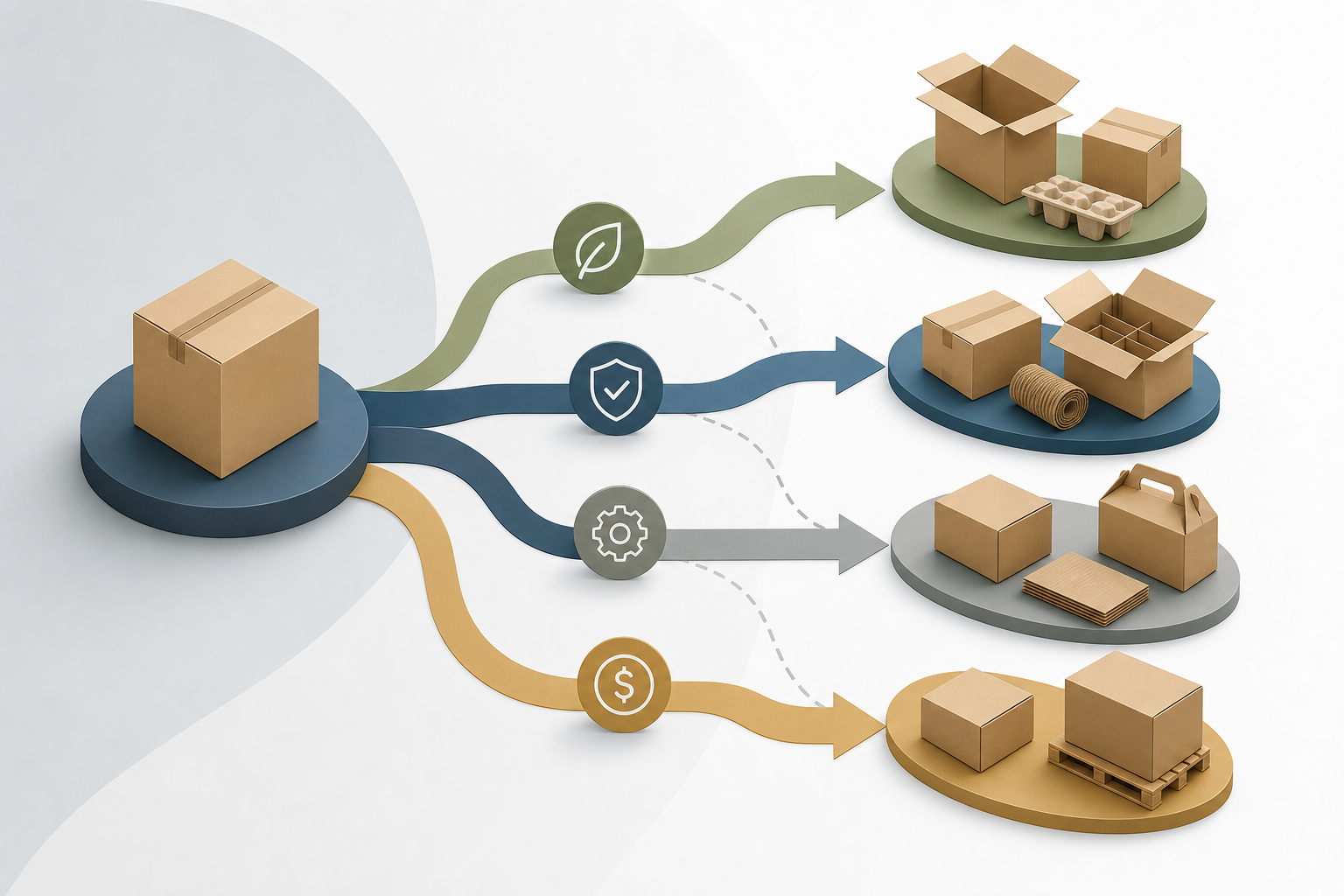
Do not base the decision only on a request such as “we need paper.” Ask whether the carton is meant to replenish one high-use copier area, support several shared printers, or sit as reserve stock for reports, forms, memos, invoices, meeting packets, and routine documents. The same 5,000 sheets may be appropriate in one location and excessive in another if storage space is limited or consumption is uncertain.
Set a reorder trigger that reflects workplace flow without pretending to know exact print volume. Examples include reordering when the last unopened ream is moved to a print station, when a supply cabinet reaches a defined minimum, or when a department submits a recurring monthly request. The key is to keep the trigger visible and tied to the approved spec line.
Storage also affects paper performance and waste. Keep unopened reams dry, flat, and protected from moisture exposure. Avoid opening all reams at once, and avoid mixing paper from unclear specifications in the same cabinet. Good flow turns a one-time 10-ream purchase into a controlled office-paper supply process.
Decision Fork: One Carton, Multiple Cartons, or Smaller Quantities?
The phrase 10 ream copy paper sounds specific, but procurement should still decide whether the requested quantity is the right purchase unit. The answer depends on confidence in the specification, number of users, storage conditions, and whether future orders need to match the same paper exactly.
| Decision path | When it may fit |
|---|---|
| Buy one 10-ream carton | The requester has confirmed size, weight, brightness, color, device use, and receiving location, but the order is not large enough to require a broader stocking plan. |
| Buy multiple cartons | Several departments or print areas need the same specification, and consistent paper matters for document appearance, tray setup, or simplified reordering. |
| Buy smaller quantities first | There is uncertainty about legal versus letter size, device compatibility, storage space, or whether the paper spec will be accepted by users. |
| Create a recurring reorder line | The same approved spec is requested repeatedly and the organization wants a controlled process rather than one-off purchases. |
This decision fork is especially useful when a buyer receives a short message such as “order 10 reams” with no supporting details. If the spec is confirmed, a 10-ream carton can be documented and repeated. If the spec is not confirmed, a smaller test quantity or a request for clarification may prevent a full carton of the wrong size or finish from entering inventory.
Once the decision is made, record the quantity logic in the purchasing notes. That gives approvers context and helps the next buyer understand why the order was set at one carton, multiple cartons, smaller quantities, or a recurring reorder arrangement.
Prevent Wrong-Order Risks Before the PO Is Sent
The final review should focus on failure points that create avoidable returns, downtime, or inconsistent office supplies. First, stop wrong-size orders. Letter-size 8.5 x 11 paper is common for general US office documents, while legal-size 8.5 x 14 should be ordered only when the document type and printer tray require it. Do not let a similar-looking listing replace the approved size.
Second, control substitutions. If equivalent items are allowed, define what must remain the same: sheet count, reams per carton, size, weight, brightness, color, and intended device use. If equivalents are not allowed, state that clearly on the RFQ or PO. Avoid mixed cartons or mixed specifications unless the receiving team and end users understand the difference.
Third, check receiving and storage risk. Ask the receiving team to note damaged cartons, torn ream wrappers, or signs of moisture exposure before paper is distributed. Store unopened reams flat and dry, and keep the carton label or order information accessible until the supply is accepted.
For quote requests, use purchasing language instead of vague search terms. Ask sellers to quote the lowest landed cost for the exact spec, and separately identify any wholesale, pickup, delivery, account, or recurring-order options if they are available. Do not assume local stock, delivery terms, membership rules, or discounts unless the seller confirms them.
To move forward, use the order-line format above to request a quote or prepare a clean purchase request. Include exact paper size, weight, brightness, color, carton quantity, delivery ZIP or location, and any receiving requirements. That gives suppliers and approvers a precise 10-ream copy paper requirement instead of a guess.
常見問題
What should an RFQ say if I am searching for the cheapest 10 ream copy paper?
Ask suppliers to quote the lowest total landed cost for the exact approved spec, not just a headline carton price. Require freight, handling, membership or account terms, order limits, and substitution exceptions to be visible before award.
When should a 10-ream request become a recurring reorder line?
Use a recurring reorder line when the same paper spec is requested repeatedly, multiple print areas need consistency, or stockouts disrupt operations. Keep it as a one-time order when demand is occasional or the spec is still being tested.
What should receiving do if the carton does not clearly show 5,000 sheets?
Pause distribution until the supplier, packing list, or carton details confirm 10 reams at 500 sheets each. If the sheet count differs, treat it as a quantity exception before the paper enters office inventory.
Can local pickup, delivery, and wholesale offers be compared in one quote review?
Yes. Compare confirmed availability or pickup windows, delivery fees, receiving constraints, account requirements, and the same paper specification. Do not assume local stock or wholesale pricing unless the seller confirms it.
How should procurement handle an equivalent substitute for 10 ream copy paper?
Define which attributes cannot change and who approves exceptions. An equivalent should match the intended device use, quantity, size, weight, brightness, color, and packaging condition before acceptance.
Is it better to approve one carton first before buying multiple 10-ream cartons?
If paper spec, device fit, storage, or user acceptance is uncertain, one carton or a smaller test quantity reduces risk. Multiple cartons make more sense after the spec is accepted and receiving capacity is clear.