

Shop Hammermill Copy Paper Options for Office Buyers
For office buyers searching Hammermill copy paper, start with the SKU-level data that affects compatibility, print appearance, and replenishment planning. A useful comparison view should separate major Hammermill lines such as Copy Plus, Premium Multi-Purpose, Premium Color Copy, and Premium Laser Print Copy Paper where those options are offered. Each product card or listing should show size, weight, brightness, sheets per ream, reams per carton, carton sheet count, current price, and availability from the selling source rather than forcing the buyer to open multiple pages.
Procurement teams should prioritize filters that match how paper is actually ordered: 8.5 x 11 for standard office documents, 11 x 17 for tabloid output, 20 lb for everyday use, and 24 lb, 28 lb, or 32 lb when a heavier sheet is required. Quantity filters are just as important. A single 500-sheet ream may work for departmental testing, while 10-ream or 5000-sheet cartons are easier to compare for recurring office replenishment.
- Confirm the product line name before approving substitutions.
- Compare brightness and paper weight, not only the brand name.
- Check whether the listed quantity is a ream, carton, or multi-carton order.
- Record the exact SKU description used by your purchasing system.
Before adding Hammermill paper to a purchase order, align the product description with internal user needs. This reduces duplicate items, incorrect pack sizes, and confusion between standard copy paper and premium printer paper listings.
Compare Hammermill Copy Paper Specifications
Hammermill copy paper searches usually become specific very quickly: letter size, tabloid size, 20 lb, 92 bright, 100 bright, 500 sheets, or 5000 sheets. Treat these terms as purchasing controls, not marketing details. They determine whether the paper fits the equipment, supports the intended document quality, and arrives in a quantity that matches consumption.
Most office orders begin with size. Standard letter-size 8.5 x 11 paper covers routine copying, memos, invoices, and forms, while 11 x 17 tabloid paper is used for larger layouts, spreadsheets, proofs, or documents that need more visual space. If your team is standardizing paper across departments, reviewing copy paper dimensions can help buyers avoid ordering a sheet size that does not match trays, binders, filing systems, or mailers.
| Технические характеристики | Procurement check |
|---|---|
| Размер | Confirm tray fit, filing needs, and document format. |
| Вес | Check 20 lb, 24 lb, 28 lb, or 32 lb against device limits. |
| Яркость | Compare 92 bright and 100 bright only where listed for the SKU. |
| Pack quantity | Verify 500-sheet reams, 10-ream cartons, or 5000-sheet cartons. |
Weight and brightness should be checked at SKU level. A 20 lb 92 bright item is commonly associated with everyday office use in product listings, while heavier or brighter options may be selected for presentation, color, or premium documents. For any purchase, confirm that the printer or copier manufacturer allows the selected weight and that the carton count matches the line item on the purchase order.
Choose the Right Hammermill Paper by Printing Need
The most efficient way to choose Hammermill paper is to start with the document workflow. Procurement teams often make costly mistakes when they buy one generic carton for every purpose, then discover that a heavier paper was needed for external materials or that a premium sheet was unnecessary for internal drafts. Match the paper specification to the job before comparing suppliers.
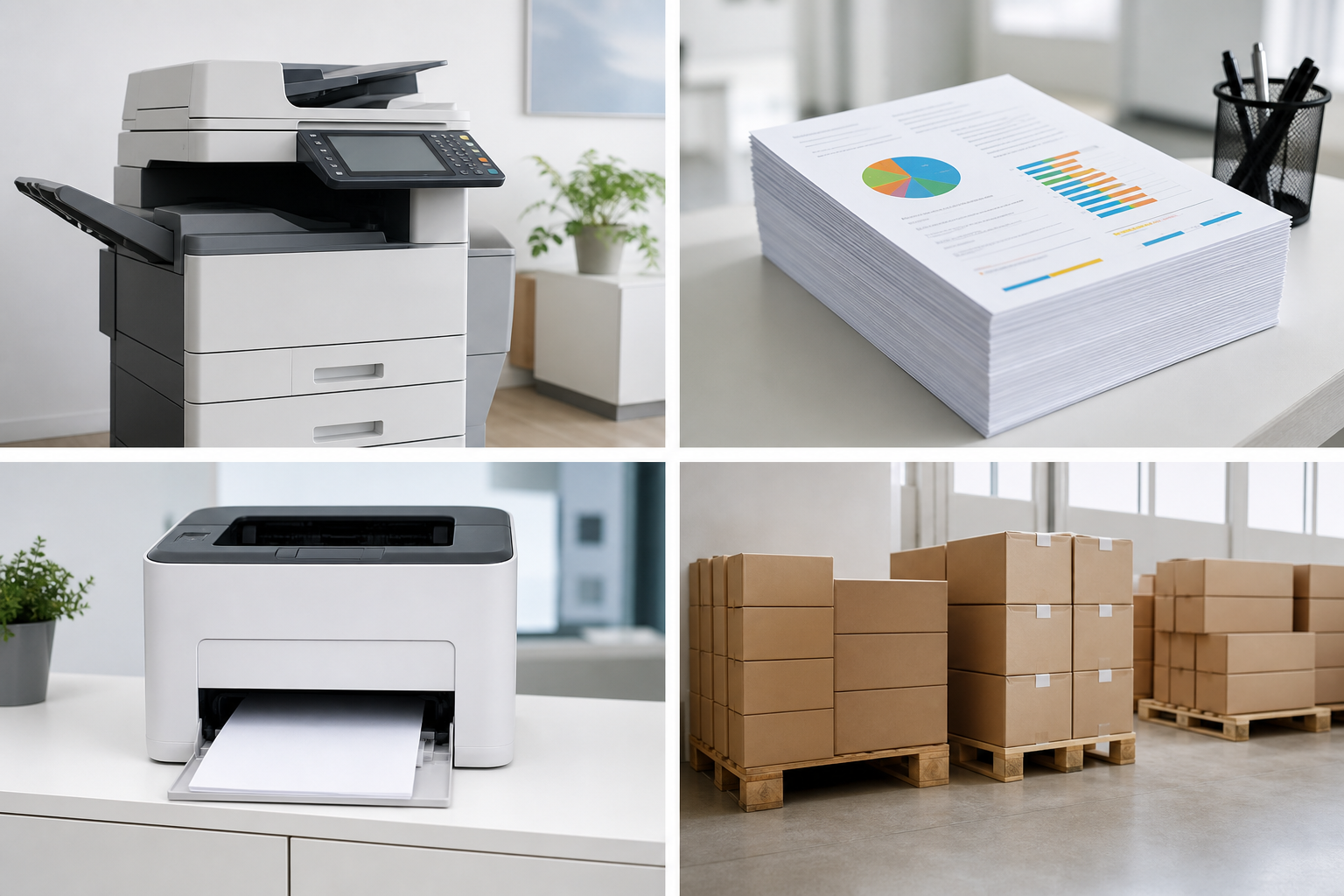
- Everyday copying and black-and-white printing: Review standard 20 lb options, common letter-size packs, and carton formats for departments with predictable print volume.
- Color documents and handouts: Compare brightness, finish, and heavier weights such as 24 lb, 28 lb, or 32 lb where available, especially when color appearance and paper feel matter.
- Laser and multipurpose printing: Confirm that the selected Hammermill line is described for the printer type used in your office and that the device supports the chosen weight.
- Bulk restocking: Prioritize carton quantities, storage space, receiving procedures, and reorder timing instead of buying isolated reams.
For a broader framework on matching office documents to paper types, see this guide to choose the right copy paper for office printing. Use that workflow thinking when comparing Hammermill lines: internal copies can usually be evaluated on cost, compatibility, and consistency, while client-facing documents may justify a tighter review of weight, brightness, and finish.
Copy Plus vs Premium Multi-Purpose vs Premium Color Copy
Hammermill product-line names are useful only when they are tied to actual specifications. For B2B buying, compare Copy Plus, Premium Multi-Purpose, Premium Color Copy, and Premium Laser Print Copy Paper by use case, weight, brightness, finish, and pack size. Do not assume that every line is interchangeable across devices or document types; check the individual listing before placing a bulk order.
| Product line | Practical buying use | Specification checks |
|---|---|---|
| Copy Plus | Routine office copying and general printing. | Size, 20 lb or stated weight, brightness, reams per carton. |
| Premium Multi-Purpose | Offices that use paper across several document types and printer workflows. | Printer compatibility, weight, brightness, and whether the pack format fits recurring use. |
| Premium Color Copy | Color documents, proposals, handouts, and materials where sheet feel or brightness is part of the decision. | Heavier weights, 100 bright claims where listed, finish, and device limits. |
| Premium Laser Print | Laser printer users comparing paper specifically marketed for laser output. | Laser suitability, weight, finish, and carton quantity. |
Standard copy paper may be enough for invoices, drafts, forms, and everyday internal output. Premium or color-copy options deserve consideration when the document will be shared outside the organization, handled repeatedly, archived, or used in a presentation setting. The procurement risk is not choosing a lower-cost paper; it is choosing a paper that does not match the actual print job, device, or buyer expectation.
Paper Features That Matter: ColorLok, FSC Certified, and Acid-Free
Some Hammermill listings highlight features that may affect procurement requirements, but those features should be validated at SKU level. ColorLok technology is commonly described in product snippets as supporting faster ink drying, bolder blacks, and more vivid colors. That can matter for inkjet-heavy environments, color handouts, or teams that handle documents soon after printing. However, buyers should confirm that the specific paper being ordered includes ColorLok rather than assuming it applies across every Hammermill item.
FSC Certified paper may be relevant when an organization has sustainability language in its purchasing policy, bid requirements, or internal reporting. If FSC status is required, the purchase record should capture the exact product description and any supplier-provided documentation available at the time of order. This is especially important when buyers compare similar cartons from multiple sellers, because certification language may not be presented consistently.
Acid-free paper is another feature to review when documents need longer-term storage, filing, or distribution. It does not replace records-management policy, but it can be a useful specification for contracts, manuals, training packets, or documents that should remain stable over time. For recurring procurement, standardize these features in the approved item description: brand, line, size, weight, brightness, pack quantity, and any required feature language. That prevents informal substitutions from changing paper performance or compliance assumptions.
Buying Hammermill Copy Paper in Reams, Cartons, and Bulk Packs
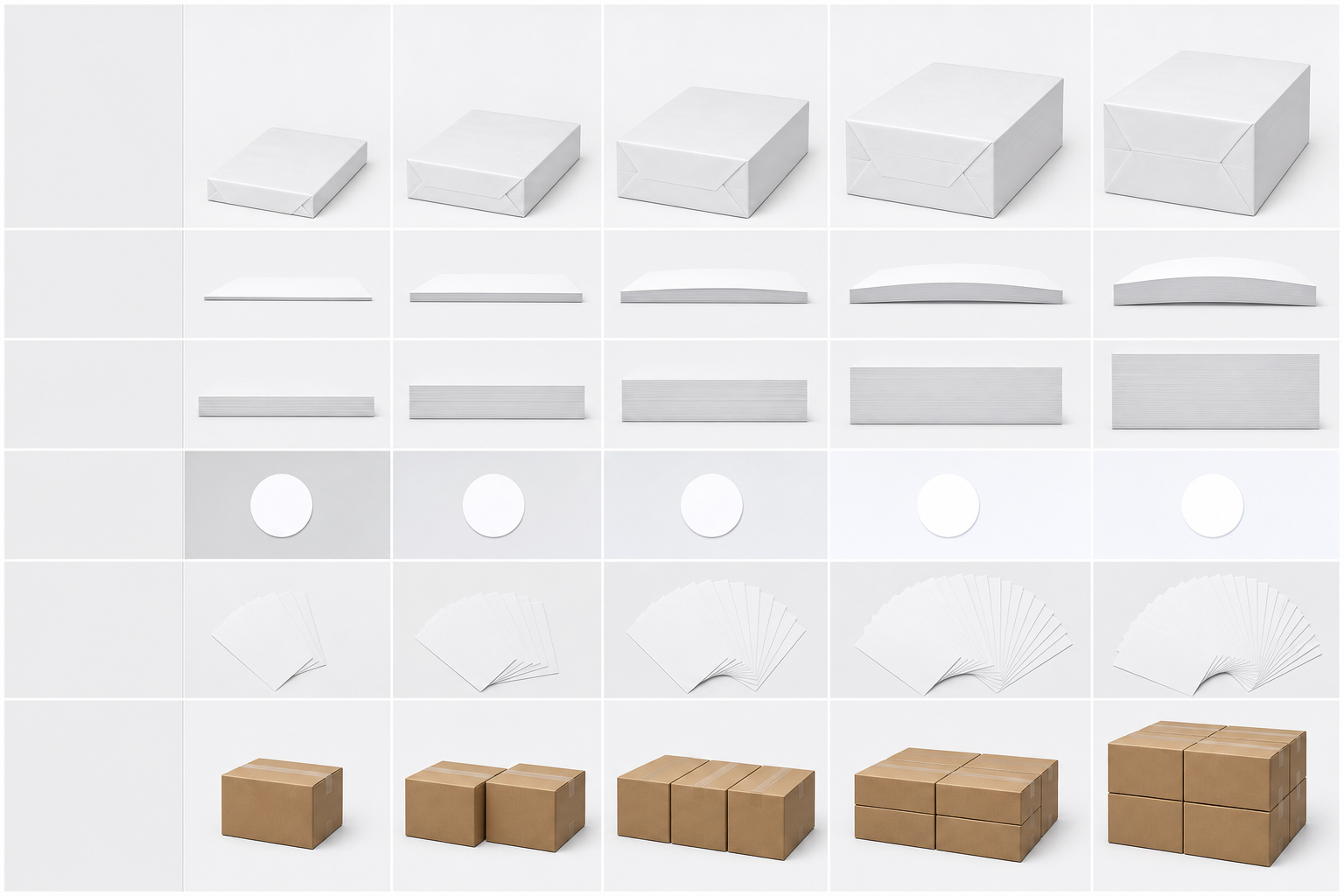
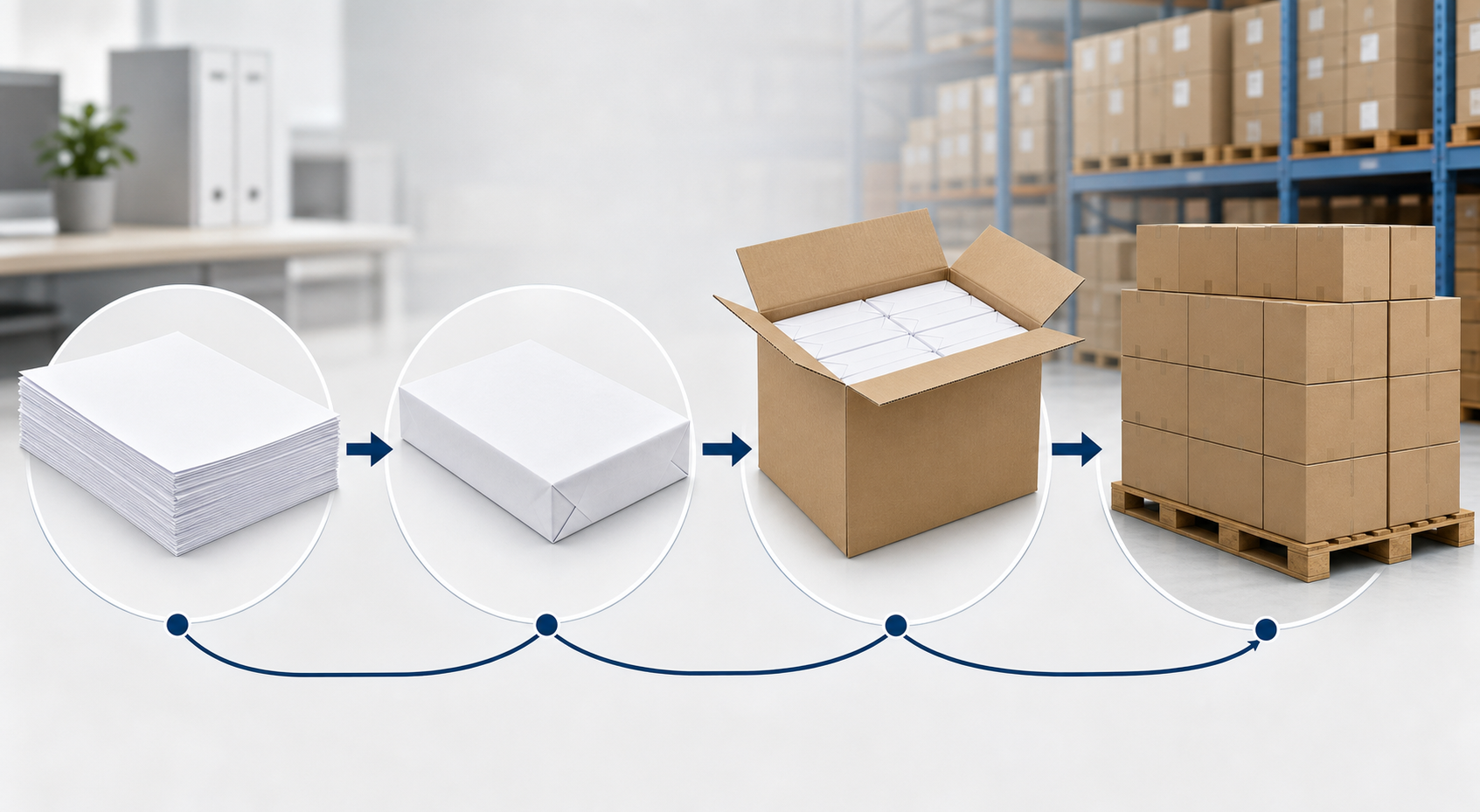
Quantity is one of the easiest places for copy paper orders to go wrong. Many office paper listings use a 500-sheet ream as the base unit, and some carton listings describe 10 reams per carton, which equals 5000 sheets for that SKU format. Buyers should still verify the listing because not every pack, case, or marketplace bundle is structured the same way.
For departments with low or uncertain usage, a ream may be appropriate for testing paper weight, printer compatibility, or document feel before adding the item to an approved catalog. For offices, schools, clinics, and shared workspaces with steady print demand, carton purchasing may simplify receiving and replenishment. A broader copier paper buying guide can also help teams compare paper needs across multiple devices and user groups.
When comparing Hammermill bulk options, look beyond the headline carton price. If the seller displays unit price or price per 100 sheets, use it to compare pack sizes more accurately. Also check how orders will be handled operationally: who receives the cartons, where they will be stored, whether elevators or loading areas are involved, and whether purchase approvals require separate line items for each department.
Delivery, pickup, and auto-restock options can be helpful when a seller offers them, but they should be tied to actual usage data. Set reorder points based on monthly consumption, peak printing periods, and storage limits rather than waiting until the final ream is opened.
Procurement Checklist Before You Order
Before issuing a purchase order for Hammermill copy paper, convert the product page into a controlled buying specification. This is especially important when several employees can request paper, when a supplier may suggest substitutions, or when the same brand is available in multiple weights, brightness levels, and carton formats.
- Confirm the exact Hammermill line, such as Copy Plus, Premium Multi-Purpose, Premium Color Copy, or another listed option.
- Verify sheet size, especially 8.5 x 11 versus 11 x 17, against printer trays and document requirements.
- Check paper weight, brightness, finish, and feature language such as ColorLok, FSC Certified, or acid-free only where stated for the SKU.
- Match pack quantity to the purchase order: single ream, multi-ream carton, or 5000-sheet carton when applicable.
- Confirm printer and copier compatibility with heavier weights before ordering for multiple locations.
- Plan storage, receiving, reorder timing, and user communication for recurring office supply needs.
Document why the selected specification was approved. A short note, such as daily copier use, color handouts, or archived records, helps future buyers avoid switching to a similar-looking carton that has a different weight, brightness, or feature set.
For recurring purchases, create one approved item description for each paper use case rather than relying on memory or informal brand preference. If your organization is standardizing copy paper specifications, compare Hammermill copy and printer paper options by size, weight, brightness, and carton quantity, then contact your paper supplier with the exact requirements before setting a repeat order or department-wide standard.
Frequently Asked Questions
How many sheets are in Hammermill copy paper 10 reams?
A common office carton format is 10 reams with 500 sheets per ream, which equals 5,000 sheets. Always confirm the exact SKU because marketplace bundles, cases, and multi-carton listings can use different pack structures.
Which Hammermill copy paper is best for everyday office printing?
For routine office copying and black-and-white printing, buyers often compare standard 20 lb letter-size options such as Copy Plus. The best choice depends on printer compatibility, required brightness, monthly usage, and whether you need single reams or bulk cartons.
Is 24 lb, 28 lb, or 32 lb Hammermill paper better for color documents?
Heavier paper generally feels more substantial and is often considered for color handouts, reports, presentations, or client-facing documents. Before ordering, check the product line, brightness, finish, and whether your printer supports the selected paper weight.
What does 92 bright vs 100 bright mean for Hammermill paper?
Brightness affects how white the sheet appears and how much contrast printed text or color may show. A 92 bright paper can suit everyday office use, while 100 bright options are often reviewed for premium, color, or presentation printing where listed.
Can Hammermill copy paper be used in laser and inkjet printers?
Some Hammermill papers are marketed for copy, laser, inkjet, or multipurpose use, but compatibility should be confirmed on the specific product listing. Check printer specifications before using heavier weights or specialty premium paper.
Is Hammermill copy paper FSC Certified and acid-free?
Some Hammermill listings state FSC Certified and 100% acid-free features, but these claims can vary by SKU. If certification or long-term document storage matters, verify the exact product description and supplier documentation before purchase.