
Buying paper for your business is expensive. If you buy from a local shop, you pay retail prices. This cuts into your profit. This is why smart business owners look to China. China is the “Factory of the World.” They make tons of A4 paper every day.
China produces millions of tons of A4 paper annually for the global market.
If you buy direct from China, you can save a lot of money. But there is a problem.
You might be scared of scams. You might worry about quality. What if the paper is too thin? What if it jams your printers? What if you pay, but the paper never arrives?
These are real fears. But you can avoid them.
This guide is your safety map. I will teach you how to buy wholesale A4 paper safely. You will learn how to check quality, how to spot a fake seller, and how to get the paper to your door.
Why Source A4 Paper from China?
The main reason is price. When you buy from a local supplier, the paper has changed hands many times.
- The Factory makes it.
- The Exporter ships it.
- The Importer receives it.
- The Wholesaler marks it up.
- The Retailer marks it up again.
- You buy it.
Every step adds cost. When you buy direct from China, you skip the middle steps. You buy from the source. This can save you 30% or more on your costs.
But price is not the only reason. The quality of Chinese paper has gone up. Top factories now use 100% Pasta de madera virgen. This is the same material used by big famous brands. You can get “Double A” quality without the “Double A” price tag.
Understanding Paper Specs (The Golden Rules)
Before you buy, you must know what you are buying. Paper has “Specs” (specifications). If you do not know the specs, a bad seller might trick you.
Here are the three numbers you must know.
1. GSM (Weight)
GSM stands for “Grams per Square Meter.” It tells you how heavy and thick the paper is.
- 70gsm: This is standard paper. It is light. It is good for everyday printing in the office. It is cheaper because it uses less wood pulp.
- 80gsm: This is premium paper. It is thicker. It feels better in your hand. It is best for important documents or printing on both sides.
- 75gsm: This is in the middle. It is a good balance of price and quality.
Tip: If you want to save money, choose 70gsm. If you want to impress clients, choose 80gsm.
2. Brightness (Whiteness)
Not all white paper is the same. Some paper looks yellow or cream. Some paper looks bright white like snow.
We measure this in a percentage.
- 92-94% Brightness: This looks a bit dull. It is okay for copies, but not for presentations.
- 98-100% Brightness: This is good standard white.
- 102-104% Brightness: This is “Premium” or “Snow White.” It makes colors look sharp.
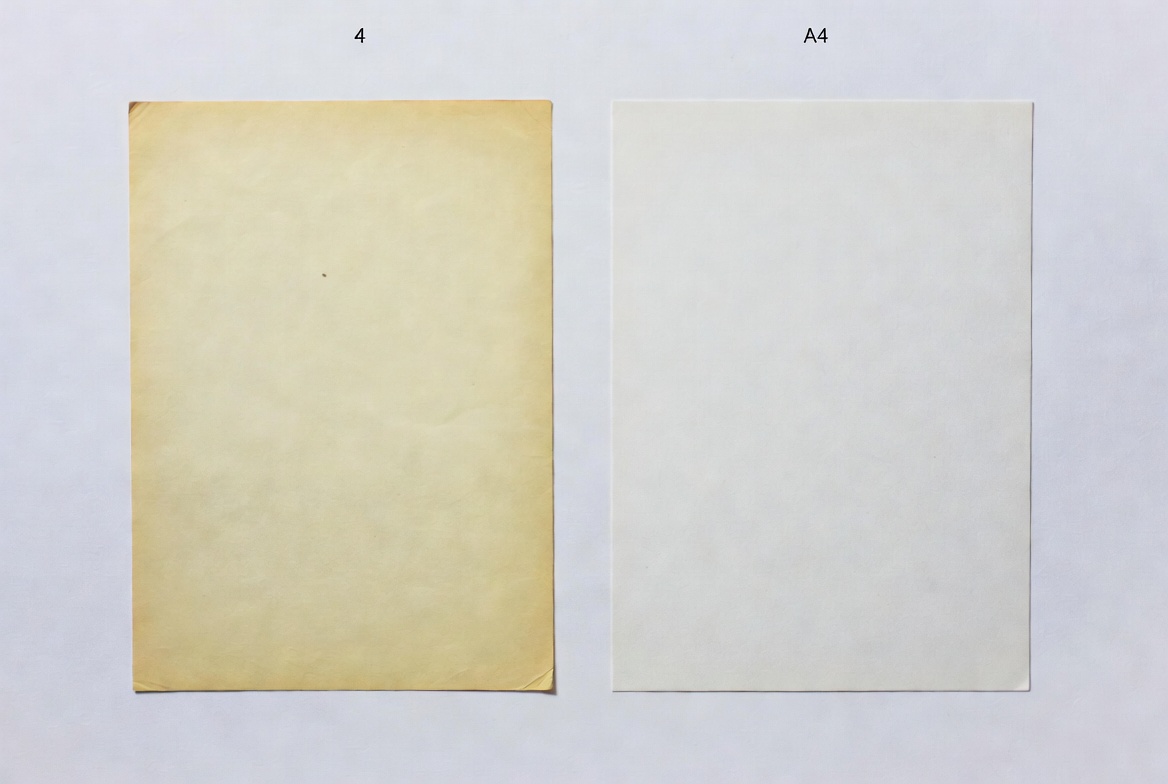
The difference between standard and premium brightness is visible to the naked eye.
Always ask for 102-104% brightness if you want high quality.
3. Pulp Quality
This is the most important part. Paper is made from wood pulp.
- 100% Virgin Wood Pulp: This comes straight from trees. It is strong. It is clean. It does not create dust. It will not jam your printer.
- Mixed Pulp: This is recycled paper mixed with new pulp. It is cheaper. But it creates dust. Dust ruins printers. It also jams more often.
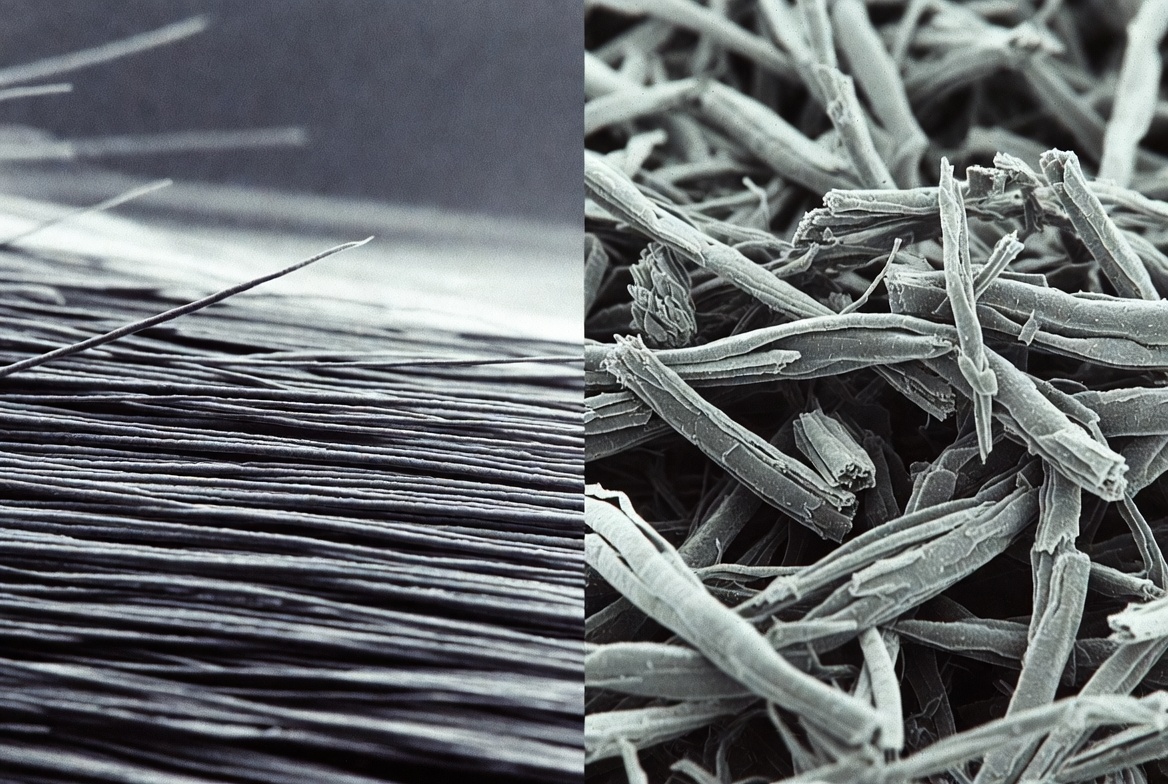
Virgin wood pulp fibers are longer and stronger, preventing paper jams.
Rule: Only buy 100% Pasta de madera virgen. Do not settle for less.
How to Avoid Scams
Now we must talk about the danger. The internet is full of fake sellers. They know you want a cheap price. They use this against you.
The “Too Cheap” Trap
This is the #1 sign of a scam.
Making paper costs money. The factory must buy wood, water, and power. There is a “floor price.” If the price goes below this floor, the factory loses money. No real business loses money on purpose.
- Real Price: A real ream of A4 paper (wholesale) usually costs between $1.65 and $2.05 USD.
- Fake Price: Scammers will offer you paper for $1.00 USD or even less.
Warning: Prices below the cost of raw materials are almost always a scam.
If you see paper for $1.00, run away. It is a lie. They will take your deposit and disappear. Or they will send you a container full of trash.
The “Bait and Switch”
Some bad sellers are smart. They send you a perfect sample. You test it, and it is great. You verify the quality. Then, you order a full container.
When the container arrives, the paper is different. It is thin. It is yellow. It is bad quality. This is called “Bait and Switch.”
To avoid this, you must use a safe contract. You must say: “The bulk order must match the sample exactly. If it does not, I will not pay.”
Step-by-Step: How to Find Safe Suppliers
Do not just Google “cheap paper.” That is unsafe. Follow these steps to find a real factory.
Step 1: Look in the Right Places
Use trusted B2B websites. Look for suppliers with badges like “Gold Supplier” or “Verified Manufacturer.” These badges mean the platform has checked their business license.
Step 2: Ask for Certificates
Real factories are proud of their quality. They have certificates to prove it. Ask to see:
- ISO 9001: This means they have good quality control.
- FSC: This means they use wood from legal forests.
- ISO 14001: This means they follow environmental rules.
If a supplier cannot show you these, do not buy from them.
Step 3: Use the “Video Call” Test
Scammers often hide. Real businesses are open. Ask for a video call. Ask them to walk onto the factory floor. Ask to see the machines running. If they refuse, they might be a fake office with no factory.
The Most Important Step: Testing Your Free Sample
Never buy a full container first. Always get a sample.
Most factories will give you the paper for free. You only have to pay for the shipping (DHL or FedEx). This might cost $50-$100, but it is worth it. It protects you from losing thousands later.
When the sample arrives, do these tests yourself:
1. The See-Through Test (Opacity)
Take one sheet of paper. Hold it up to a light. Put your hand behind it.
- Good: You can hardly see your hand.
- Bad: You can see your hand clearly. If you can see through it, do not buy it. It will look bad if you print on both sides.
2. The Jam Test
This is the fun part. Put the sample paper in your printer. Print 50 pages as fast as you can.
- Did it jam?
- Did it curl up?
- Is there white dust inside the printer?
Good paper runs smooth. It stays flat. It leaves no dust.
3. The Feel Test
Close your eyes. Rub the paper between your fingers. Is it smooth like glass? Or is it rough like sand? Rough paper wears out your printer rollers. You want smooth paper.
Logistics 101: Getting Paper to Your Office
You found a supplier. You tested the sample. Now you want to order. How do you get it home?
You will hear terms like FOB and CIF. These are “Incoterms.” They tell you who pays for shipping.
- FOB (Free on Board): The seller pays to get the paper onto the ship in China. You must pay for the ship to cross the ocean and for the truck to your office. This gives you more control, but it is more work.
- CIF (Cost, Insurance, Freight): The seller pays for everything until the paper reaches your local port. This is easier for beginners.
FOB vs. CIF: Know who pays for shipping at each stage of the journey.
Warning: Paper is heavy. Shipping is expensive. Always ask for the “Landed Cost.” This is the price of the paper + the price of shipping. Calculate your profit based on the Landed Cost, not just the factory price.
Start with a Sample
Importing A4 paper from China is a great way to grow your business. You can get premium quality paper for a wholesale price.
But you must be smart.
- Do not trust prices under $1.50.
- Always check for Virgin Wood Pulp.
- Always test a sample before you buy big.
Are you ready to start saving money? The first step is easy. Do not order a container today. Just order a sample.
Get Free Samples Click here to request a free sample pack of 70gsm and 80gsm premium paper.
Solicitar presupuesto Already know what you need? Click here to get a wholesale price quote for your business.
People Also Ask (FAQ)
Q: What is the best GSM for office paper? A: For most offices, 80gsm is the best choice. It is thick, bright, and works well for double-sided printing. 70gsm is cheaper and good for internal drafts, but 80gsm looks more professional.
Q: How many sheets are in a ream of paper? A: A standard ream always has 500 hojas. A box usually contains 5 reams (2,500 sheets total).
Q: Is Chinese A4 paper good quality? A: Yes, if you choose the right supplier. Paper made from 100% Pasta de madera virgen in China is excellent. It matches the quality of big global brands. Bad quality only comes from “Mixed Pulp” or cheap recycled paper.
Q: How do I pay a Chinese supplier safely? A: Never use Western Union. For small sample orders, use PayPal. For big orders, use a Letter of Credit (LC) o Bank Transfer (T/T) to a business bank account. An LC is the safest because the bank holds the money until the paper ships.