

Build Your Wholesale Copy Paper Order Profile
A wholesale copy paper purchase should start with an order profile, not a search for the lowest advertised case price. The profile gives procurement, facilities, finance, and end users the same reference point before a quote is requested or a purchase order is approved.
Document expected monthly usage, the number of printers and copiers, business locations, storage limits, and the urgency of the next replenishment. A single office with predictable internal printing may need a different format than a print shop, school, warehouse office, or multi-site operation. The goal is to define the buying situation clearly enough that suppliers can quote the right pack size and paper specification.
| Buyer type | Usage pattern | Likely format to consider | Confirmation needed |
|---|---|---|---|
| Office administrator | Recurring everyday printing | Reams or cases/cartons | Sheet count, size, weight, printer suitability |
| Facilities or procurement lead | Multiple departments or locations | Case/carton restocking or consolidated orders | Delivery location, ordering process, substitutions |
| Print shop buyer | Customer-facing print work | Consistent case/carton supply, possible pallet planning | Finish, brightness, opacity, run performance |
| High-volume operation | Frequent replenishment and storage planning | Pallet-style inquiry if suitable | Handling, receiving, storage, freight terms |
Set non-negotiables before sourcing wholesale copy paper: acceptable sheet size, basis weight, pack format, substitution rules, delivery location, and reorder timing. This prevents a quote from looking attractive on price while failing on fit, packaging clarity, or operational control.
Turn Paper Requirements Into a Quote-Ready Spec Sheet
Wholesale copy paper sourcing becomes easier when paper requirements are written as quote fields rather than loose preferences. A supplier should not have to infer whether the request is for everyday copier use, laser printing, color documents, or customer-facing print production.

Start with the fields that control compatibility and user acceptance: sheet size, basis weight, brightness, whiteness or color if relevant, finish, and opacity if provided. Add the intended equipment or use case, such as multipurpose office printing, copier use, laser printing, or print-shop output. Buyers who are still defining everyday paper needs can review copy and printer paper options for office use before locking a wholesale specification.
| Spec field | What to write in the quote request | Why it matters |
|---|---|---|
| Sheet size | Exact size required for the equipment or job | Prevents wrong-format purchasing |
| Basis weight | Required or acceptable weight range | Affects feeding, feel, and application fit |
| Brightness/finish | Required value or acceptable alternative | Controls appearance and consistency |
| Printer suitability | Copier, laser, inkjet, multipurpose, or print-shop use | Reduces performance mismatch |
| Substitutions | Approved only with written confirmation, if required | Protects repeatability |
For commercial printing, do not treat standard office acceptance as enough. Confirm whether the paper must support duplex work, higher coverage, finishing, or customer color expectations. For offices, the priority is often predictable feeding, readable output, and consistent supply across departments.
Choose a Replenishment Model Before Choosing Quantity
Wholesale quantity only makes sense when it matches the way the organization consumes, stores, and reorders paper. Before approving a case, carton, or pallet inquiry, decide whether the purchase is a one-time correction, a routine restock, or part of a planned replenishment cycle.
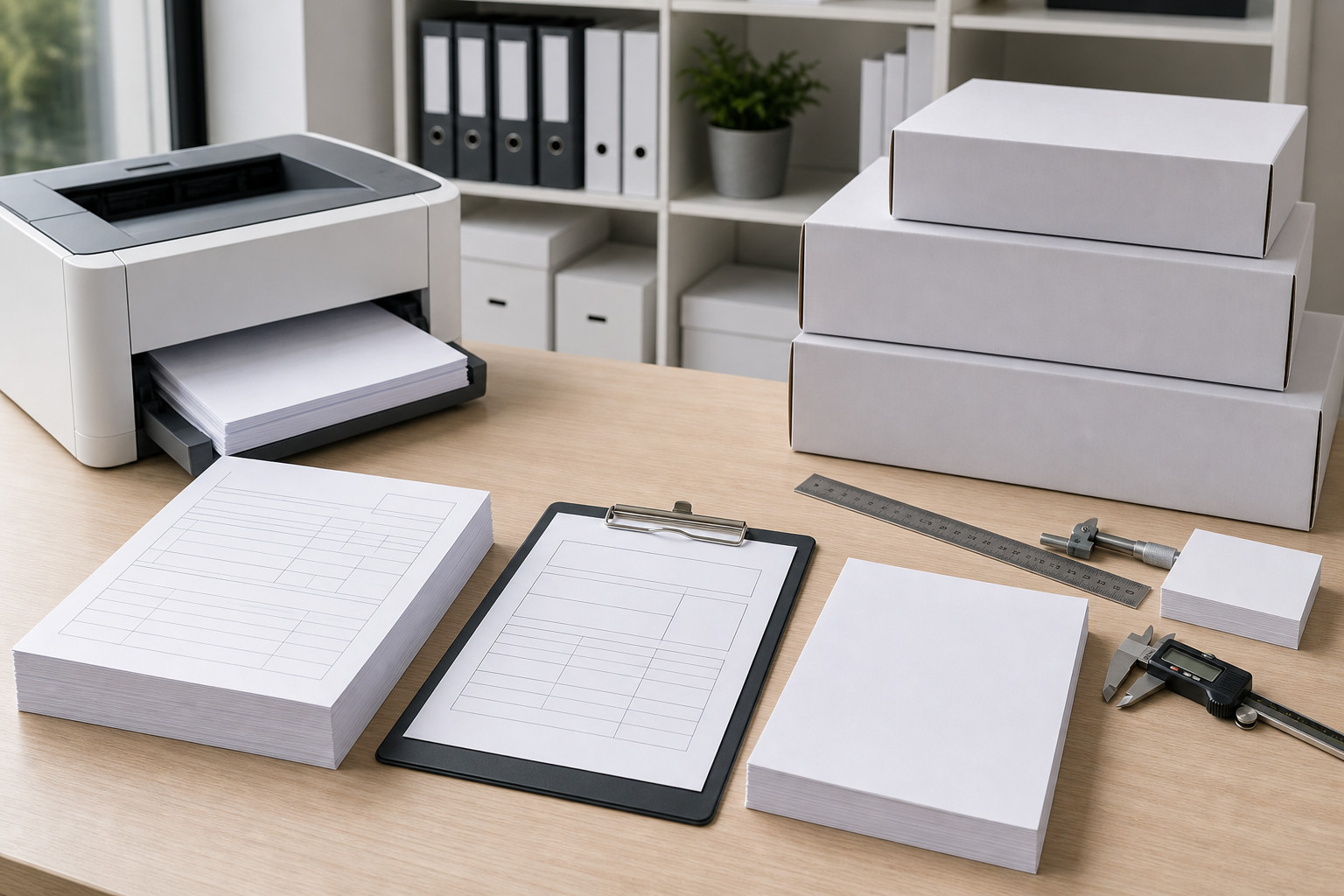
Common listings may describe reams, 10-ream cases, 5,000-sheet cartons, or pallet quantities. Because terminology varies by seller and product listing, verify the actual sheet count, number of reams, carton configuration, and packaging condition expectations before issuing a purchase order. For a deeper look at the common 5,000-sheet format, see this guide to a copy paper 10 ream case.
| Replenishment model | Best fit | Control point |
|---|---|---|
| Spot buy | Emergency restock or short-term project | Avoid making it the default if usage is recurring |
| Case/carton restocking | Offices with predictable consumption | Set reorder triggers and storage limits |
| Consolidated multi-location order | Facilities teams managing several sites | Confirm ship-to details and internal allocation |
| Pallet planning | High-volume users with space and handling capacity | Validate receiving, storage, and usage pace first |
Do not let the largest quantity automatically win. A pallet may reduce purchasing frequency, but it can create receiving, storage, or damage exposure if the buyer lacks space or handling processes. Conversely, under-ordering can create emergency replenishment costs and operational disruption. The right model balances usage volume, cash flow, storage capacity, and acceptable reorder risk.
Calculate Landed Cost per Usable Sheet
Wholesale copy paper comparisons should be based on usable-sheet economics, not only the posted price per case or carton. A low headline price may be less attractive after delivery charges, pickup time, handling labor, damaged packaging, or emergency reorder risk are included.
Use a simple working formula: total order cost divided by usable sheets. Total order cost can include product price, freight or delivery charges if applicable, pickup costs, internal handling, storage expense, and any special receiving requirements. Usable sheets are the sheets expected to remain available for printing after accounting for damaged cartons, moisture exposure, misordered specifications, or waste created by poor fit with equipment.
| Cost variable | Question to verify |
|---|---|
| Product price | Is the quote priced by ream, case, carton, pallet, or another unit? |
| Freight or delivery | Are charges included, itemized, or determined after order details? |
| Pickup and handling | Will staff time, vehicle use, or receiving labor add cost? |
| Съхранение | Is there clean, dry space for the order size? |
| Waste risk | What happens if cartons arrive damaged or the spec is wrong? |
This method avoids unsupported claims about the cheapest copy paper and gives finance a defensible comparison. Two suppliers may quote different pack sizes, so normalize every option to price per ream and price per usable sheet before approval.
Match the Sourcing Path to Order Size and Control Needs
Wholesale copy paper can be sourced through online ordering, nearby suppliers, or freight-oriented arrangements, but each path solves a different procurement problem. The right choice depends on order size, required documentation, receiving capacity, and how much control the buyer needs over timing and substitutions.
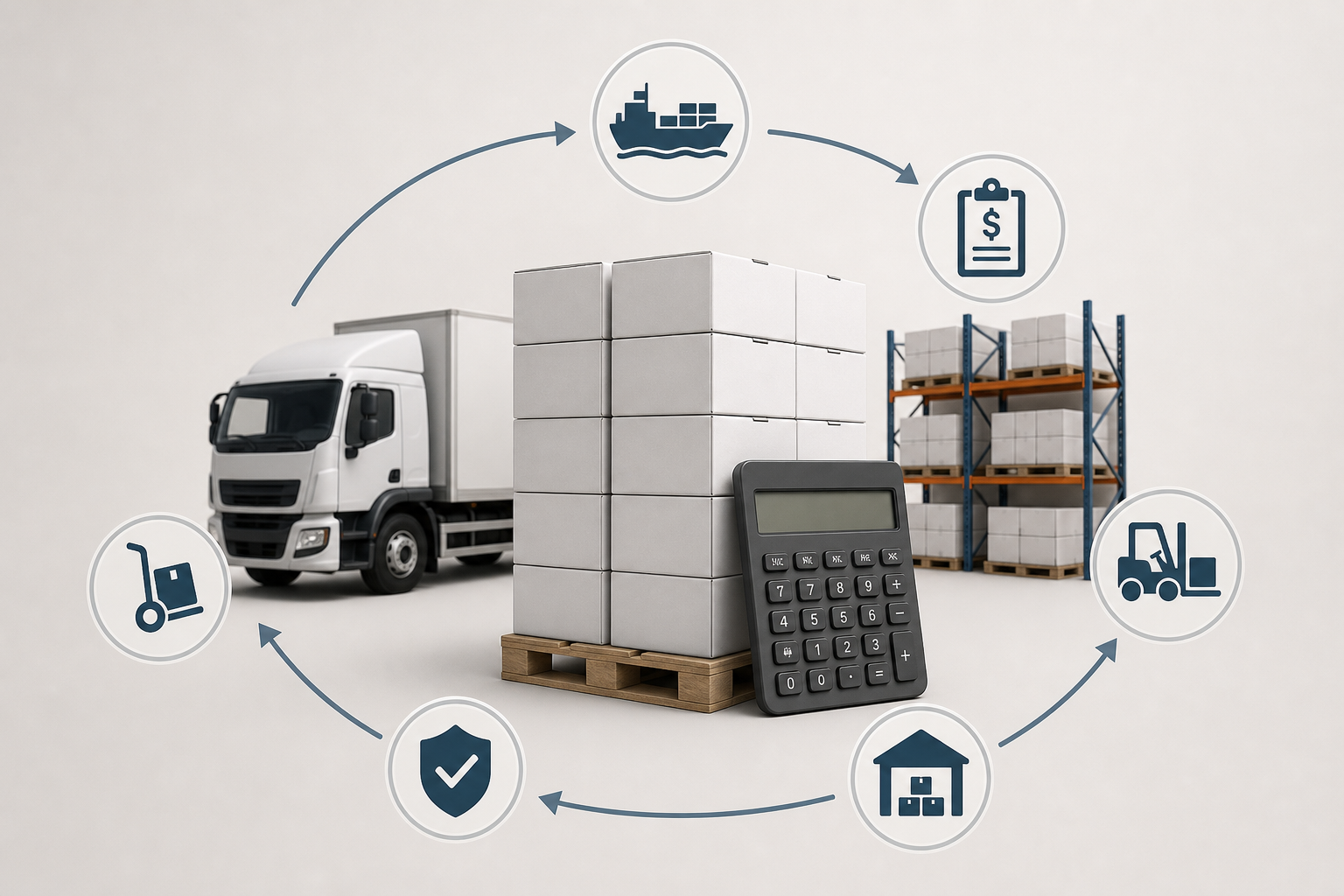
Online wholesale ordering can work well for repeat small or mid-size bulk purchases when the product listing clearly states pack size, sheet count, specifications, and ordering steps. It is important to confirm whether the displayed unit is a ream, case, carton, or pallet quantity before comparing costs.
Nearby supplier options may matter when pickup, delivery coordination, local communication, or urgent restocking is part of the decision. Buyers comparing local availability can use a copy paper near me framework to evaluate pickup or delivery questions without making location the only purchasing criterion. Always confirm service area, ordering terms, and product availability directly with the supplier.
Freight-style ordering is more relevant when paper is purchased for high-volume users, multiple locations, or planned inventory replenishment. In that scenario, verify receiving requirements, access for delivery, pallet handling, storage conditions, and whether the quoted terms match the buyer’s dock, warehouse, or office environment.
Across all paths, compare the same specification and the same usable-sheet basis. Otherwise, an online case, a local carton, and a freight quote may appear comparable while representing different quantities, handling costs, and operational risks.
Screen Suppliers for Repeat Wholesale Copy Paper Availability
A one-time paper order can often be approved with basic product information. Repeat wholesale copy paper buying needs a higher standard: the supplier must help the buyer preserve specification consistency, pack-size clarity, and ordering discipline over time.
Start with documentation. Ask whether the supplier can identify the product specification clearly enough for the quote, invoice, and purchase order to match. Confirm the unit of sale, number of sheets, number of reams, carton configuration, and whether any alternate product may be supplied. If substitutions are possible, define the approval process before fulfillment rather than after the shipment arrives.
Next, evaluate communication and ordering control. Procurement teams should know how to request repeat orders, whether minimums apply, how availability is confirmed, and who to contact if quantities, delivery locations, or specifications change. Avoid relying on assumptions from a previous order unless the supplier confirms that the same item and pack format are being quoted again.
- Can the supplier state the exact pack size and sheet count on the quote?
- Are paper specifications available before purchase approval?
- How are substitutions proposed and approved?
- What ordering details are required for repeat purchases?
- How should multi-location delivery or allocation instructions be submitted?
The best supplier conversation is not simply about whether paper can be bought in bulk. It is about whether the buyer can repeat the same wholesale purchasing process with fewer surprises, cleaner approvals, and better control over operational risk.
Validate the First Wholesale Order Before Scaling Volume
The first wholesale order should be treated as a controlled validation step, especially if the buyer plans to move from cases to larger cartons, consolidated ordering, or pallet-style replenishment. Receiving the paper is not the end of the procurement process; it is the point where assumptions can be checked against real use.
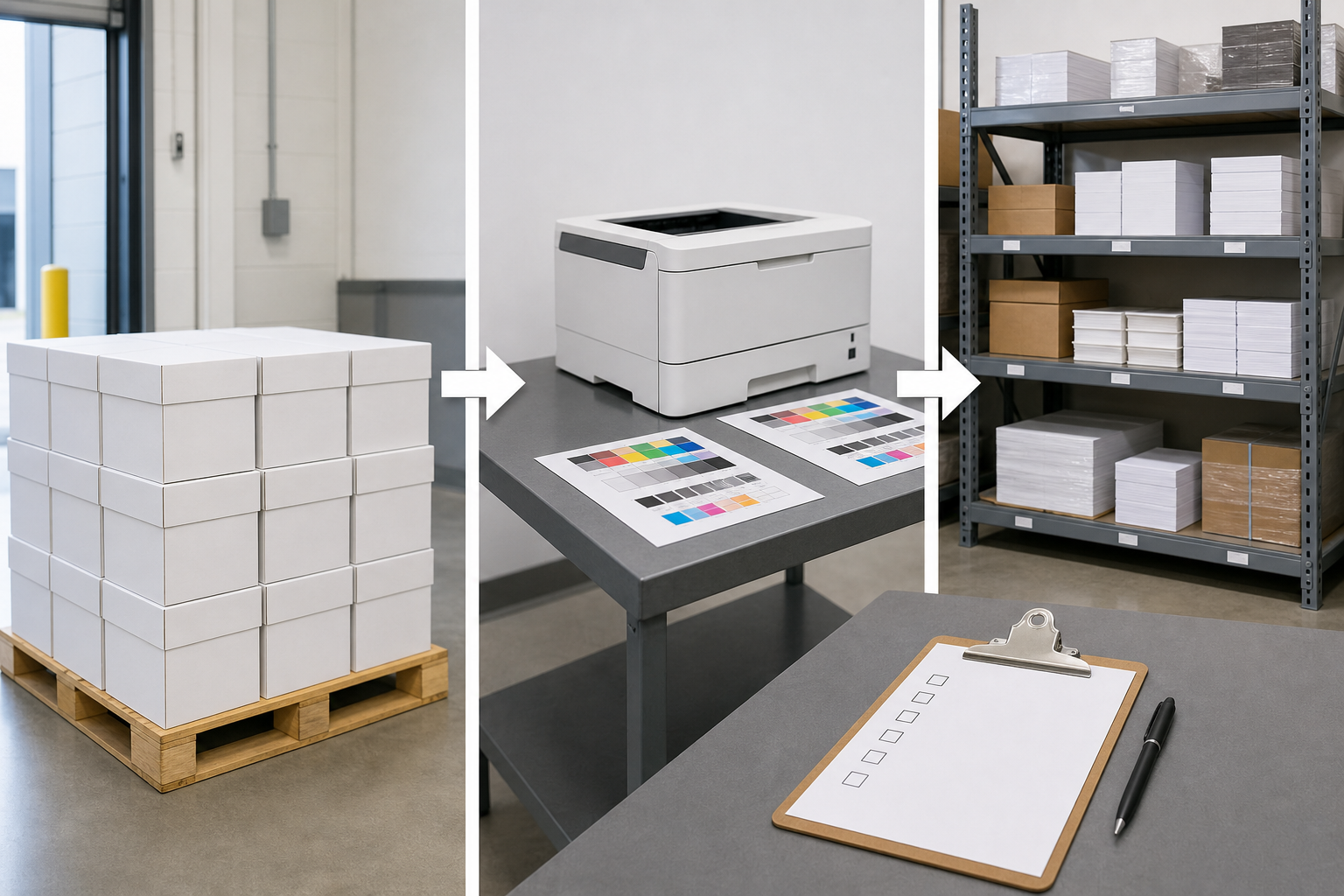
Start at receiving. Inspect carton or pallet condition, confirm the quantity received against the purchase order, and verify that the sheet size, pack count, and visible product details match the quote. Store the paper in a clean, dry area and avoid mixing it with older inventory until the first performance checks are complete.
Then test the paper in the actual printers, copiers, or production equipment that will use it. Track feeding issues, jams, curl, print appearance, duplex performance, and user feedback. For print shops, compare the output against customer-facing expectations before assigning the paper to recurring jobs.
Finally, measure consumption pace. Record how quickly each location or department uses the order, when reorder pressure begins, and whether storage space was adequate. This data helps refine future case, carton, or pallet decisions.
Before requesting the next wholesale copy paper order, prepare a clear order profile: required specs, estimated monthly usage, preferred case/carton/pallet format, delivery location, and timing. Share those details with the supplier to confirm available options and the most appropriate ordering path before scaling volume.
Често задавани въпроси
When does wholesale copy paper make more sense than retail buying?
Use wholesale sourcing when paper use is recurring enough to justify a standard spec, repeat quote, and planned reorder point. Compare monthly sheet volume, available storage, and approval time against the cost of repeated small purchases.
What should I include in a wholesale copy paper quote request?
Send the supplier the sheet size, basis weight, brightness or finish requirements, intended equipment, estimated monthly usage, desired case/carton/pallet range, delivery location, timing, and substitution rules. Ask for the unit of sale and total sheet count to be stated on the quote.
How do I verify pack size before issuing a purchase order?
Require the quote to state sheets per ream, reams per case or carton, cartons per pallet if relevant, and total sheets for the order. Match those fields against the purchase order and invoice so a case, carton, or pallet label does not hide a different quantity.
How can I compare local and online wholesale copy paper suppliers?
Normalize each offer to landed cost per usable sheet: product cost plus delivery, freight, pickup labor, handling, and likely waste divided by expected usable sheets. Then confirm service area, ordering terms, availability confirmation process, and substitution approval.
What approval checks matter before moving from cases to pallets?
Confirm that the first order performed well in printers or copiers, cartons arrived in acceptable condition, storage stayed dry and accessible, and actual usage matched projections. If any point fails, revise the spec or replenishment cadence before increasing quantity.
What should a print shop confirm before using wholesale copy paper for customer jobs?
Run the paper on the actual equipment and job types that will use it, including duplex or higher-coverage work if relevant. Keep the tested specification on file and require supplier approval before any substitution is shipped.