
1. Why Brand Choice Matters for Copy Paper in 2025
Choosing copy paper in 2025 is no longer a simple commodity decision. Whether for offices, educational institutions, print shops, or personal use, the type and brand of copy paper you select can have a direct impact on productivity, cost efficiency, sustainability, and print quality. This section outlines why the right choice matters, what can go wrong, and how a thoughtful, framework-driven approach prevents hidden costs.
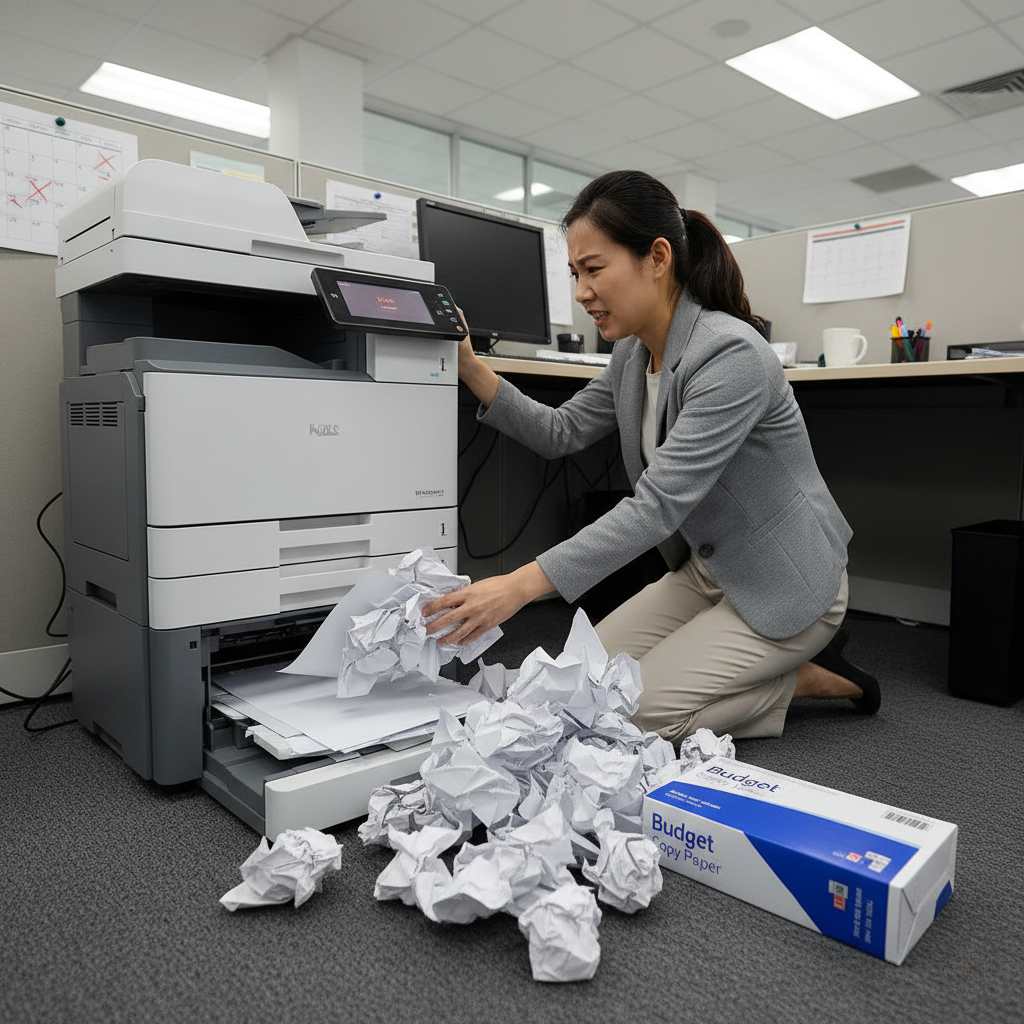
1.1 The Hidden Cost of “Cheap” Paper – Jam Rate, Printer Wear, Waste
- Calculate the total cost of ownership (TCO), not just per-ream price.
- Monitor printer downtime and sheet wastage; cheap paper often produces higher reject rates.
- Track maintenance logs for jam incidents per 10,000 sheets.
- Balance price against reliability over 6–12 months, not just the initial invoice.
1.2 What Performance Metrics Matter: Brightness, GSM, Opacity, Jam‑Free Reliability
- Brightness: Higher numbers (typically 92–100) mean sharper images and more professional documents.
- GSM/Weight: Standard office use often requires 75–80 GSM (20 lb); heavier weights may be needed for color or double-sided printing.
- Opacity: Higher opacity prevents show-through on duplex prints.
- For daily internal use: 92 brightness, 75–80 GSM.
- For client-facing or duplex: 96+ brightness, 90+ GSM, high opacity.
1.3 Market Trends in 2025: Sustainability Pressure, Digital vs Print, Bulk Purchasing
- Look for eco-labels (such as FSC, PEFC, or Blue Angel) to meet green requirements.
- Consider supply chain resilience—brands with global distribution often maintain steadier stock and pricing.
- Assess the importance of recycled content vs. virgin fiber for your organization.
- Factor in local availability and logistics for global offices.
2. Methodology: How These Brands Were Evaluated
To provide an objective and actionable comparison, this analysis used a strict data-driven approach across all major global brands.
2.1 Criteria Used
- Price per ream (500 sheets)
- Brightness level
- GSM (paper weight)
- Opacity rating
- Reported jam rate/sheet reliability
- Sustainability and eco-labels
- Packaging and ease of storage
- Global availability
2.2 Data Sources
- Manufacturer product sheets (for technical specs)
- Aggregated buyer reviews (for jam rates, perceived quality)
- Public price indexes and wholesale price trackers
- Sustainability reports (for green credentials)
- Institutional feedback (for bulk reliability and logistics)
2.3 Scope & Exclusions
This comparison focuses exclusively on standard A4/Letter copy paper suitable for most business, educational, and institutional uses. It does not include specialty papers (such as photo, color, or card stock), non-standard sizes, or highly region-specific brands.
3. Top Copy Paper Brands in 2025 — Head‑to‑Head Comparison
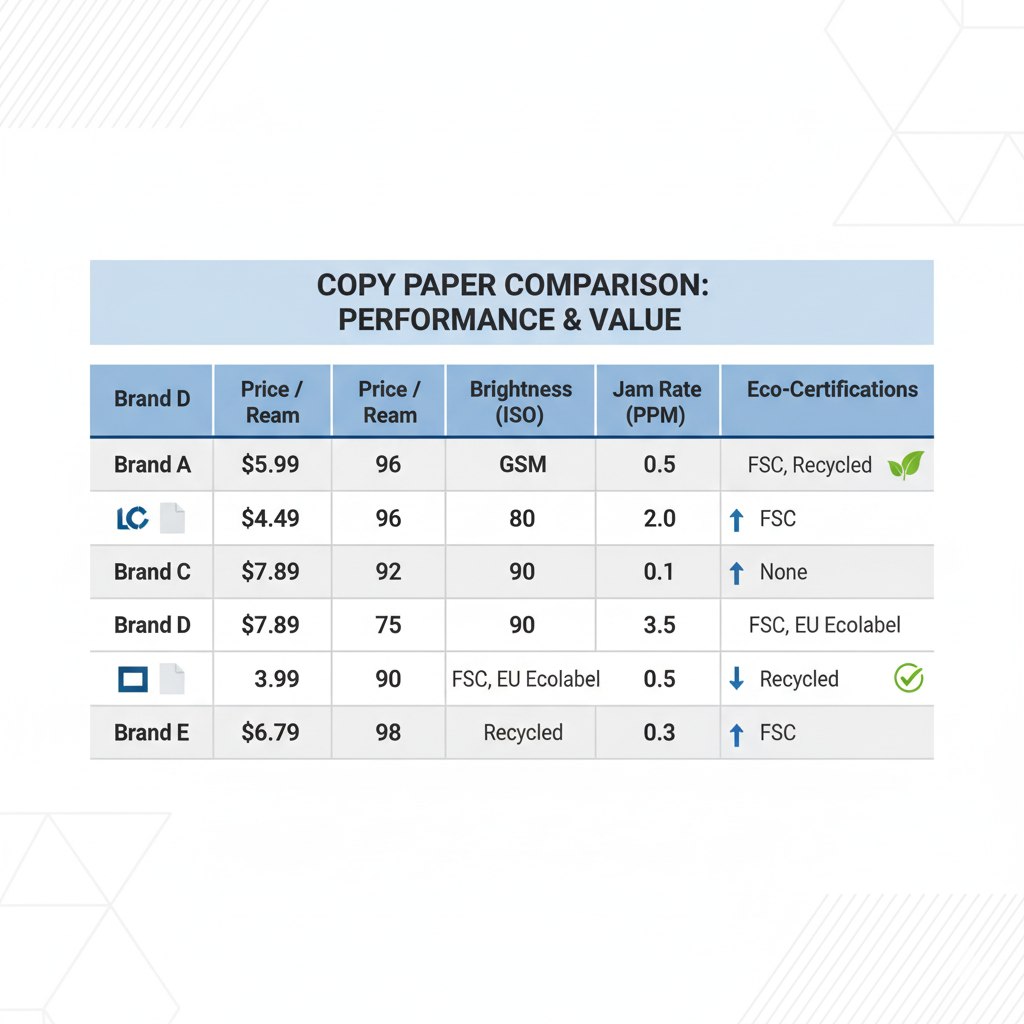
3.1 Brand A: HP Papers
- Price per ream: Medium-high
- Luminosité : 92-96
- GSM: 75–80
- Reported jam rate: Very low in controlled environments
- Eco-labels: Multiple global certifications
- Packaging: Reinforced moisture protection
- Availability: Global
3.2 Brand B: Amazon Basics
- Price per ream: Low to medium
- Luminosité : 92-96
- GSM: 75–80
- Reported jam rate: Low (varies by lot)
- Eco-labels: Some lines feature certifications
- Packaging: Basic, but robust
- Availability: US, EU, select global markets
3.3 Brand C: Hammermill
- Price per ream: Medium
- Luminosité : 97–100
- GSM: 80
- Reported jam rate: Exceptionally low
- Eco-labels: Strong sustainability credentials
- Packaging: Premium, humidity-resistant
- Availability: North America, some EU markets
3.4 Brand D: Navigator
- Price per ream: High
- Luminosité : 99–100
- GSM: 80–90
- Reported jam rate: Minimal
- Eco-labels: Multiple, including FSC and EU EcoLabel
- Packaging: Double-boxed, anti-moisture
- Availability: EU, global export
3.5 Brand E: Double A
- Price per ream: Medium-high
- Luminosité : 98-100
- GSM: 80
- Reported jam rate: Very low
- Eco-labels: Sustainable fiber sourcing
- Packaging: Sturdy, water-resistant
- Availability: Asia, global export
Comparison Table: Major Global Copy Paper Brands (2025)
| Brand | Price/Ream | Luminosité | GSM | Jam Rate | Eco Labels | Key Strength |
|---|---|---|---|---|---|---|
| HP Papers | Med-High | 92-96 | 75–80 | Very Low | Multi-global | Consistency |
| AmazonBasics | Low-Med | 92-96 | 75–80 | Low-Varies | Some | Price |
| Hammermill | Medium | 97–100 | 80 | Exceptionally Low | Strong | Duplex/Color |
| Navigator | High | 99–100 | 80–90 | Minimal | FSC, EU EcoLabel | Premium print |
| Double A | Med-High | 98-100 | 80 | Very Low | Sustainable Fiber | Humidity Resistance |
4. Niches & Use‑Cases: Which Brand for What Buyer?
4.1 High‑Volume Enterprises vs. Small Offices
- For high-volume users, favor brands with low jam rates and consistent supply.
- Small offices may value cost per ream over premium features.
4.2 Eco‑Focused Organizations
- Select brands that hold multiple eco-labels and have published sustainability reports.
- Verify the chain of custody for recycled or FSC-certified content.
4.3 Cost‑Sensitive Buyers
- Focus on brands with the most consistent pricing over time—not just the lowest “sale” price.
- Buy in bulk whenever possible to take advantage of discounts.
4.4 Special Printing Environments
- Laser printers, color print jobs, and duplex (double-sided) printing demand higher brightness and GSM.
- Use humidity-resistant packaging in tropical or variable climates to protect your products from damage and deterioration.
5. Buying Tips & Hidden Traps to Avoid
5.1 Bulk Buys: Shipping/Storage Cost, Warehousing Moisture-Risk
- Store paper in a climate-controlled, dry environment to prevent warping or sticking.
- Calculate total landed cost—shipping, taxes, and storage, not just base price.
5.2 Paper Specs: Understanding Brightness, GSM, Sheet Weight, Whiteness
- Request spec sheets or physical samples from suppliers.
- Test for “feel” and print performance—metrics don’t always capture the user experience.
5.3 Compatibility Issues: Older Printers, Heavy Duplex Jobs, Finish Requirements
5.4 Sustainability Claims: What to Ask
6. Final Recommendations & Quick Decision Guide
6.1 Quick‑Pick Table: Find Your Fit
| Scénario | Brand Options (no order) | Key Spec to Prioritize |
|---|---|---|
| High-Volume, Minimal Jams | HP Papers, Hammermill, Navigator | Jam rate, consistency |
| Budget-First, Acceptable Quality | Amazon Basics, HP Papers | Price, batch consistency |
| Eco/Green Mandate | Navigator, Double A, Hammermill | Eco-labels, recycled content |
| Duplex, Color Printing | Hammermill, Navigator | Brightness, GSM |
| Humid/Challenging Storage | Double A, Hammermill | Packaging quality |
(This table is for quick scan and comparison, not recommendation.)
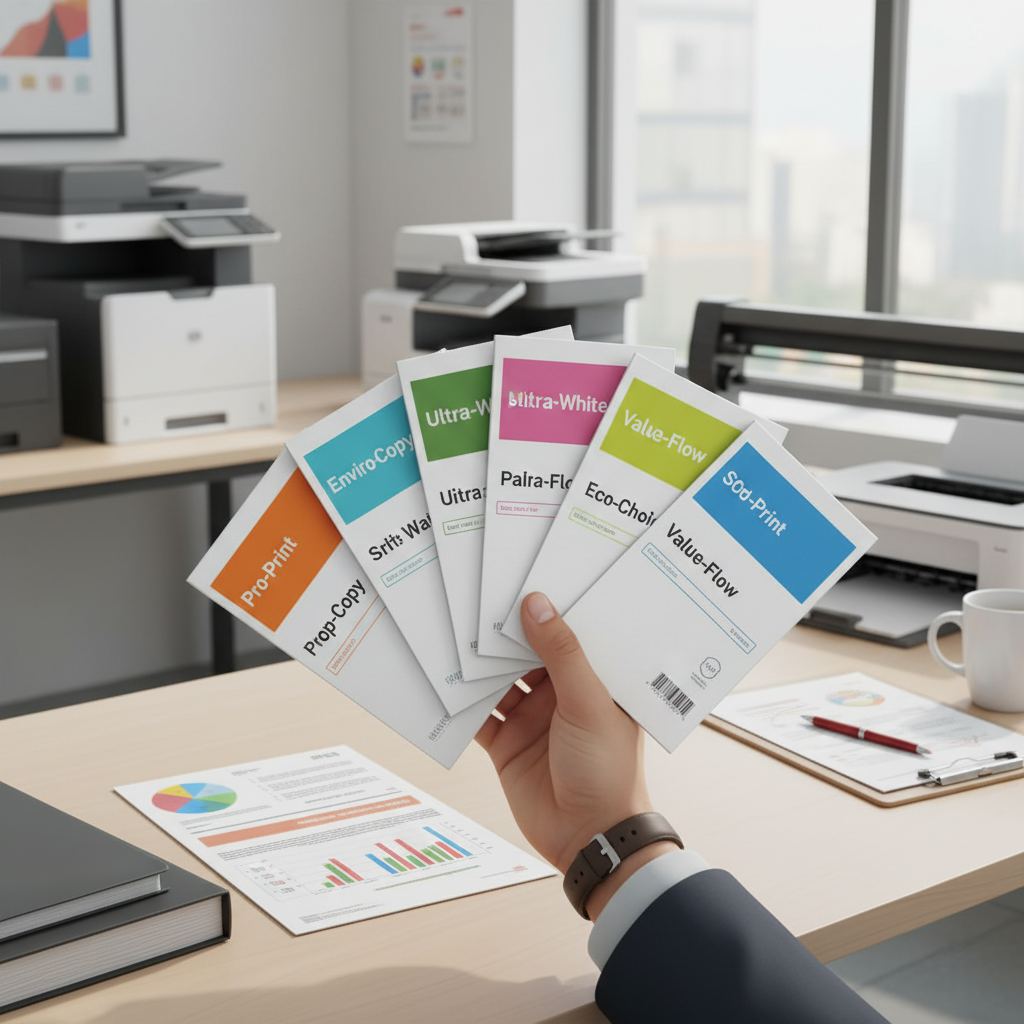
6.2 CTA: Request Samples, Don’t Gamble
Test samples across all device types in your office, and log results for jam incidents, print quality, and sheet feel.
Sample Request CTA:
“Order your free sample pack from each shortlisted brand. Test for real-world performance in your environment. Make a data-driven decision before you commit.”
6.3 What to Do Next: Optimize Your Copy Paper Program
- Audit your current paper usage: volumes, jam incidents, and print output quality.
- Compare current costs (including hidden costs such as printer downtime) with sample test results.
- Shortlist top-performing brands using your own in-house data.
- Negotiate for better pricing or support, leveraging your documented findings to secure a more favorable outcome.
FAQ:
Q: What’s the most critical factor when choosing copy paper?
A: Balance reliability (jam rate), print quality (brightness/GSM), and total cost of ownership. Testing is key.
Q: Is recycled copy paper as good as regular paper?
A: Modern recycled options can match or exceed traditional papers—verify with in-printer samples.
Q: How can I prevent paper jams?
A: Use high-quality, compatible paper and store it in dry, climate-controlled environments.
Q: What’s the best way to get started?
A: Request free samples, compare print results, and analyze cost-per-sheet, including downtime and maintenance.
Ready to Optimize Your Copy Paper Choice?
Don’t gamble on brand marketing or assumptions.
Take control: request sample packs, track your actual results, and make every ream count in 2025.