

What a Case of Copy Paper Means on a Purchase Order
When a buyer searches for a case of copy paper, the buying unit is the case, not the single ream. That distinction matters on a purchase order because the word case should translate into a confirmed number of reams, a confirmed total sheet count, and a defined carton quantity. A common office format is 10 reams per case, with 500 sheets per ream, for a total of 5,000 sheets. It is common, not guaranteed.
Common format: 10 reams and 5,000 sheets
Use the product listing, quote, or supplier confirmation to verify three fields before approval: reams per case, sheets per ream, and total sheets per selling unit. If any of those fields are missing, do not rely only on the product image or the headline. Some listings emphasize the carton, some emphasize the ream count, and others lead with total sheets.
How purchase-order wording should record the buying unit
The PO should be explicit enough for receiving staff to check the delivery without interpreting the listing later. A clear line item might record letter-size copy paper, 20 lb, white, 10 reams per case, 5,000 sheets per case, quantity ordered in cases. Teams that need broader terminology before case-pack buying can review copy and printer paper buying basics, then return to case-level verification for the actual order.
Full Case vs Smaller Carton: 5,000, 2,500, and 1,500 Sheets
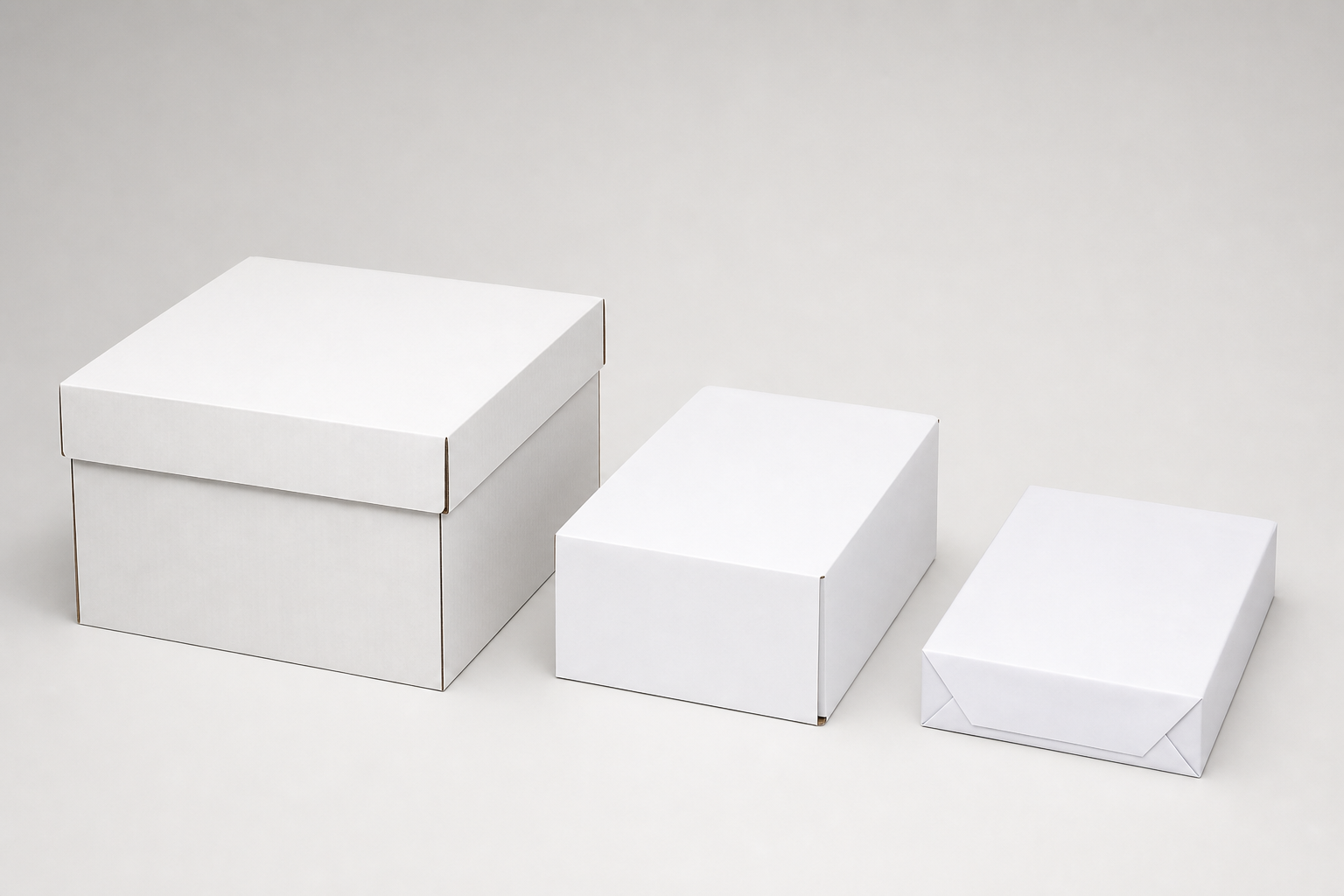
Not every boxed listing that appears for a case of copy paper is a full 5,000-sheet case. This is one of the easiest ordering mistakes for office managers and facilities buyers to make, especially when product photos show a carton but the selling unit is a smaller pack. Before comparing suppliers, normalize every option to the same sheet count.

| Listing format | What to verify | Procurement risk |
|---|---|---|
| 10 reams / 5,000 sheets | Confirm 10 reams, 500 sheets per ream, and one full case as the selling unit. | Assuming the format without checking the specific listing. |
| 2,500-sheet carton | Check whether it is a half-case, 5 reams, or another carton configuration. | Comparing its lower carton price against a full 5,000-sheet case. |
| 3 reams / 1,500 sheets | Confirm it is a multi-ream pack, not a full case. | Under-ordering when the box image looks larger than the delivered quantity. |
For approvals, treat the total sheet count as the primary comparison field. A 1,500-sheet pack may be perfectly useful for a small office, satellite location, or low-volume department, but it should not be evaluated as if it were the same quantity as a 10-ream case. If a listing uses case, carton, box, and pack in different places, rely on the stated reams and sheets per selling unit, not the packaging term alone.
Standardize the Specs for Repeat Case Orders
For repeat case orders, the goal is consistency. A procurement team should not have to re-decide the paper specification every time an office needs another carton. Locking down the approved spec helps reduce SKU drift, department complaints, and substitutions that look similar online but behave differently in printers, copiers, or multifunction devices.
Fields to lock before reordering
- Paper size: Letter size 8.5 x 11 in is the standard everyday US office format. If a department needs legal, ledger, or specialty sizes, handle those as separate approved items.
- Weight: 20 lb paper is commonly shown for everyday copy and printer use, but buyers should verify the exact weight against the listing and equipment requirements.
- Color and brightness: Record white paper and the stated brightness rating, such as 92 or 98 when specified, instead of relying on a generic description.
- Use and compatibility: Capture whether the paper is listed for multipurpose use, laser printers, inkjet printers, copiers, or MFPs.
- Pack standard: Record the approved sheet count per case, such as 10 reams and 5,000 sheets, or the approved alternative.
- Policy attributes: FSC, recycled content, or similar claims should be verified only when they appear on the exact product listing or supplier quote.
For teams refining office print requirements before ordering by the case, this office copy paper printing guide can support the specification discussion. Once the spec is approved, keep it attached to the reorder record.
Calculate Landed Cost Per Ream and Per Sheet
Case price alone can hide quantity differences. A lower visible price may represent a smaller carton, while a higher visible price may cover a full 5,000-sheet case. For business approval, compare each option on a landed-cost basis using the same unit of measure.
Use a simple comparison worksheet
| Field | What to enter |
|---|---|
| Listed selling-unit price | The price shown for one case, carton, box, or pack. |
| Reams per selling unit | The confirmed number of reams included. |
| Total sheets | The confirmed sheets per ream multiplied by reams, or the stated total sheet count. |
| Visible fulfillment costs | Shipping, handling, pickup fees, membership effects, taxes, or order-threshold details when shown and relevant to approval. |
| Cost per ream | Adjusted comparison total divided by confirmed reams. |
| Cost per sheet | Adjusted comparison total divided by confirmed total sheets. |
Do not compare a delivered total from one supplier with a pre-checkout subtotal from another. Also avoid comparing a 2,500-sheet carton to a 5,000-sheet case without converting both to cost per sheet. If your team needs a broader framework for quantity and cost math, use this copy paper cost per sheet comparison as a supporting reference. The objective is not to label one option cheapest; it is to make sure the same quantity, specs, and visible fulfillment costs are being compared.
Turn Monthly Print Volume Into Case Reorder Quantity
A copy paper case becomes easier to manage when it is tied to office consumption instead of emergency purchasing. The key is to convert monthly sheet use into confirmed cases, then set a reorder point that fits the office’s approval process, supplier coordination, and storage space.
Build a simple consumption model
- Estimate sheet use by area: Ask departments, copy rooms, reception desks, finance teams, HR, or print-heavy workgroups to estimate regular use. If printer or copier meter reports are available, use them as a more consistent reference.
- Convert sheets to cases: Divide expected monthly sheets by the confirmed sheets per case. Use the actual listing quantity, not an assumed 5,000 sheets.
- Separate routine and seasonal demand: Month-end reporting, onboarding, training, mailings, audits, or open enrollment periods may change paper consumption.
- Set a minimum stock level: Decide how many unopened cases should remain before a reorder is triggered.
The reorder point should account for approval time, ordering frequency, expected usage before replenishment, and a reasonable safety buffer. Too little stock can force rushed purchasing and weak comparison. Too much stock can consume storage space and increase the risk of paper being stored poorly. For multi-site organizations, track usage by location instead of relying on one central average, because a small branch and a high-volume administrative office may need very different case quantities.
Receiving and Storage Checks for a Case of Copy Paper
Procurement risk does not end when the order is approved. A case of copy paper still needs to arrive in the expected quantity and remain usable until it is loaded into printers or copiers. Receiving staff should have enough information from the PO to check the delivery without guessing what the buyer intended.
Receiving checks
- Match delivered case count against the purchase order quantity.
- Confirm the label or packing slip shows the expected reams per case and total sheets per case.
- Check paper size, weight, color, brightness, and product description against the approved specification.
- Inspect cartons for crushed corners, water staining, opened seams, torn ream wrappers, or signs of moisture exposure.
- Record discrepancies before the cases are moved into general office storage or distributed to departments.
Storage practices
Copy paper should be stored flat, dry, and wrapped until it is needed. Keep cases away from obvious moisture risks, direct floor contact where spills may occur, and areas with unstable temperature or humidity. Do not stack cartons in a way that crushes lower cases or deforms reams. Opened reams should be resealed or kept protected when possible.
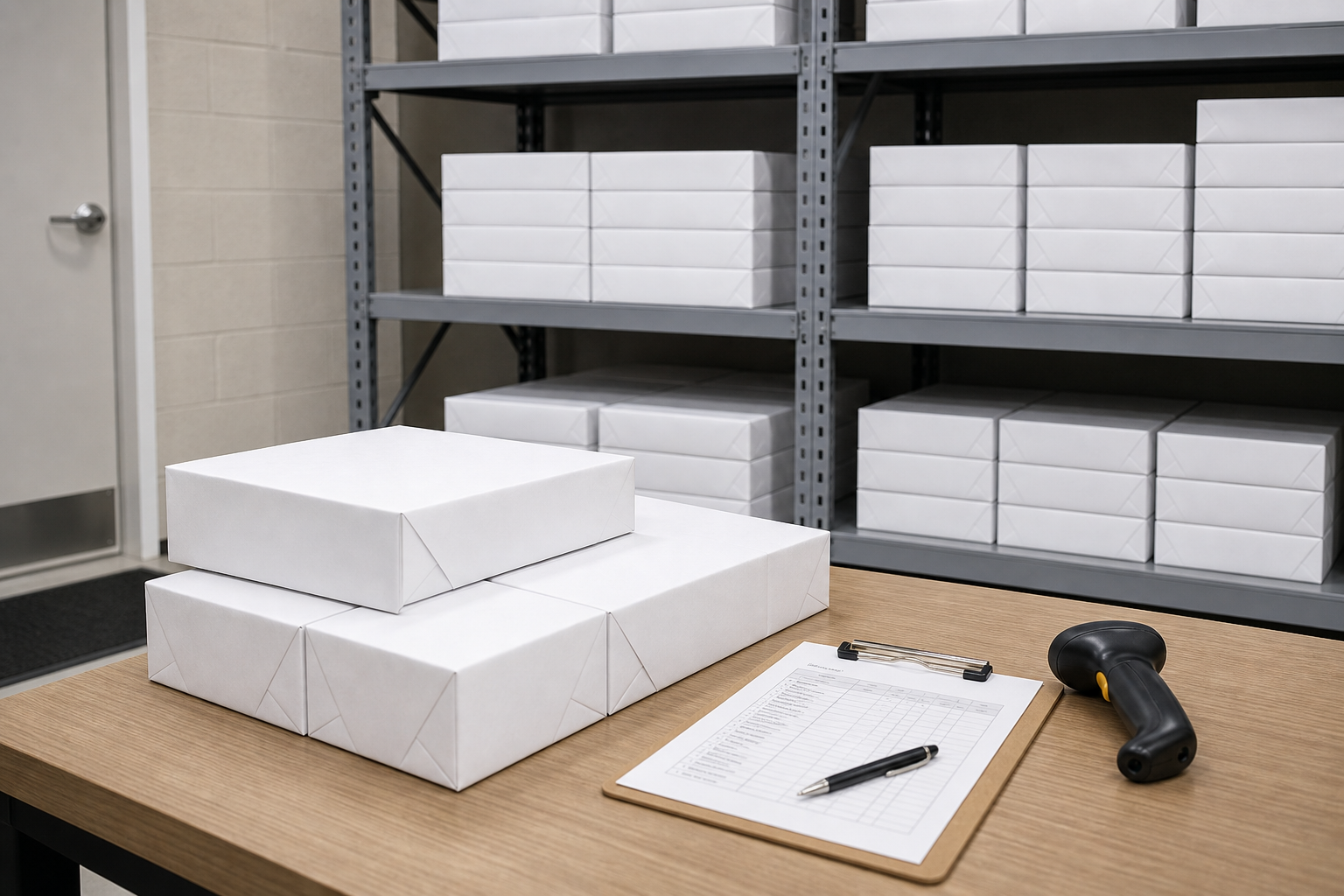
Good storage discipline supports print consistency and reduces avoidable waste. It also makes inventory counts easier because unopened cases can be counted as confirmed units, while partial reams or loose paper should be tracked separately if they affect reorder timing.
Pre-Checkout Wording Audit: Case, Carton, Box, Pack, and Ream
Before checkout or quote approval, review the wording in the product title, bullet points, specifications table, packaging field, cart line item, and supplier quote. The terms case, carton, box, pack, and ream are sometimes used in ways that make sense to the seller’s catalog but are not clear enough for procurement or receiving.
Quantity fields to capture before approval
- Selling unit: Is the buyer ordering one case, one carton, one box, one pack, or one ream?
- Reams per unit: How many reams are included in that selling unit?
- Sheets per ream: Is the standard 500-sheet ream stated, or is another quantity shown?
- Total sheets: Does the listing clearly state 5,000, 2,500, 1,500, or another total?
- Cart quantity: If the cart quantity is increased, does it multiply cases, cartons, packs, or reams?
- Specifications: Are size, weight, color, brightness, compatibility, and listing-level certification claims consistent across the page and quote?
If any field conflicts, ask for clarification before issuing or approving the PO. The safest purchase record states both the packaging term and the confirmed sheet count, such as one 10-ream case with 5,000 sheets, when that is what the listing confirms.
Before requesting pricing or availability, prepare your required sheet count, preferred paper specs, monthly usage, and reorder cadence. With those details ready, you can confirm the case quantity and product details before purchase instead of correcting a wrong pack size after delivery.
Frequently Asked Questions
Is a case of copy paper always 5,000 sheets?
No. A common office case is 10 reams of 500 sheets, or 5,000 sheets total, but some listings sell 2,500-sheet cartons or 1,500-sheet packs. Confirm the reams, sheets per ream, and total sheets on the exact listing or quote.
What are warning signs that a copy paper box is not a full case?
Look for phrases such as 3 reams, 5 reams, 1,500 sheets, 2,500 sheets, pack, or carton in the product title, specifications, and cart line item. A box image alone does not prove the selling unit is a full 10-ream case.
What should a purchase order say when ordering a copy paper case?
A clear PO line should state the selling unit, paper size, weight, color, brightness if specified, reams per case, sheets per ream, total sheets per case, and quantity ordered in cases. This helps receiving staff check the delivery without interpreting catalog wording.
How many cases of copy paper should an office keep in reserve?
Base reserve stock on monthly sheet use, approval time, supplier coordination time, and storage space. For example, divide expected monthly sheets by the confirmed sheets per case, then set a minimum unopened-case level that prevents urgent reorders.
Should copy paper cases be compared by price per ream or price per sheet?
Use both, but price per sheet is especially useful when comparing different pack sizes. Add visible fulfillment costs such as shipping, handling, pickup fees, membership effects, or order-threshold requirements before making the comparison.
How can buyers verify FSC or recycled content on a copy paper case?
Check the exact product listing, supplier quote, spec sheet, or packaging information for the specific SKU being ordered. Do not assume a case has FSC certification, recycled content, or another policy attribute unless it is shown for that exact item.