

Before Buying: Which Target Copy Paper Result Are You Looking At?
The query target copy paper is not a single purchase path. For an office manager, it can mean a Target.com retail paper listing, a Target Copy printing-and-copying service page, or a Target Paper branded office-paper result. Those paths lead to different decisions: buying blank paper, ordering printed output, or evaluating a separate paper brand. This article is independent and does not imply affiliation with any of those entities.
Confirm the result type before approval
- Retail paper listing: look for product formats such as 500ct, 750 sheets, ream, carton, case, 8.5 x 11, A4, weight, brightness, and fulfillment options.
- Printing service page: look for wording about projects, copies, files, finishing, binding, or completed printed materials rather than blank copy paper.
- Brand page: evaluate the paper as a brand or supplier option, then request the same specs you would require from any office-paper source.
If a requester says to get copy paper from Target, ask whether they mean a retail item, a local print-service task, or a brand preference. Ambiguous office wording often hides the real purchasing need; a short clarification step, like the approach in this paper copy guide, prevents the wrong path from becoming an approved order.
Turn a Target Retail Listing into a B2B Order Line
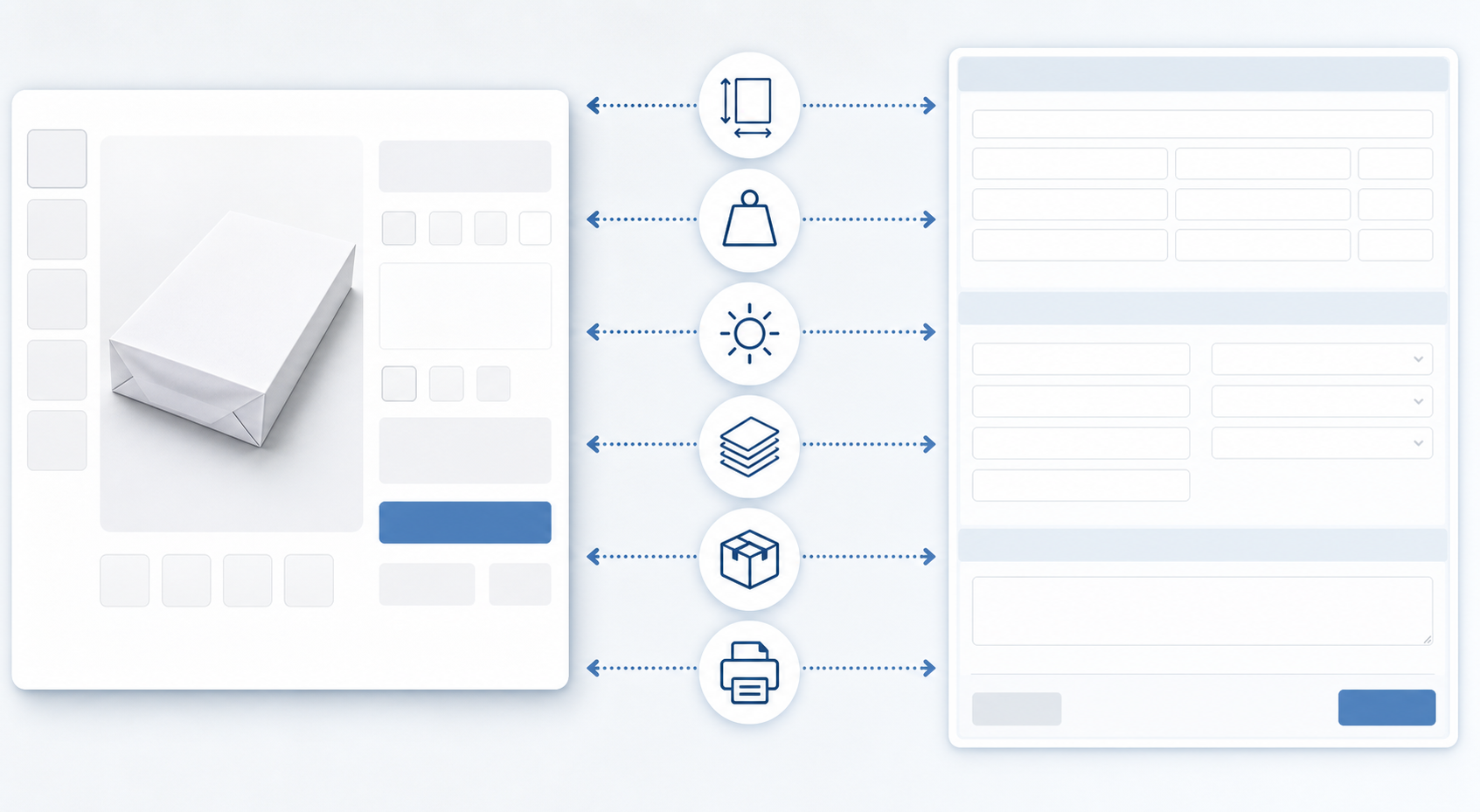
Retail product titles are designed for browsing, while procurement needs repeatable fields. Before adding a Target-style copy paper result to a PO or using it as a supplier benchmark, rewrite it into an order line that another buyer, approver, or supplier can understand without seeing the product page.

Fields to capture from the listing
- Size: record whether the paper is 8.5 x 11 letter size, A4, 11 x 17, or another format. Match this to printer trays, document standards, and departmental use.
- Weight and brightness: record the stated weight, such as 20 lb, 24 lb, or 28 lb, and the brightness value, such as 92, 96, or 98 when shown. If the benchmark is 20 lb, validate whether 20 pound copy paper fits the recurring office workflow.
- Sheet count and pack format: distinguish a 500-sheet ream, 750-sheet pack, carton, or case. Do not assume the case quantity unless the listing states the number of reams or sheets.
- Printer use case: capture whether the paper is described for inkjet, copier, laser, multipurpose, everyday office use, or a more specialized application.
Order-line format: size + weight + brightness + sheets per pack + packs per case or carton + printer compatibility + intended use + order quantity. Use placeholders until the current listing or quote confirms each value.
Compare Reams, 750-Sheet Packs, and Cases with Normalized Math
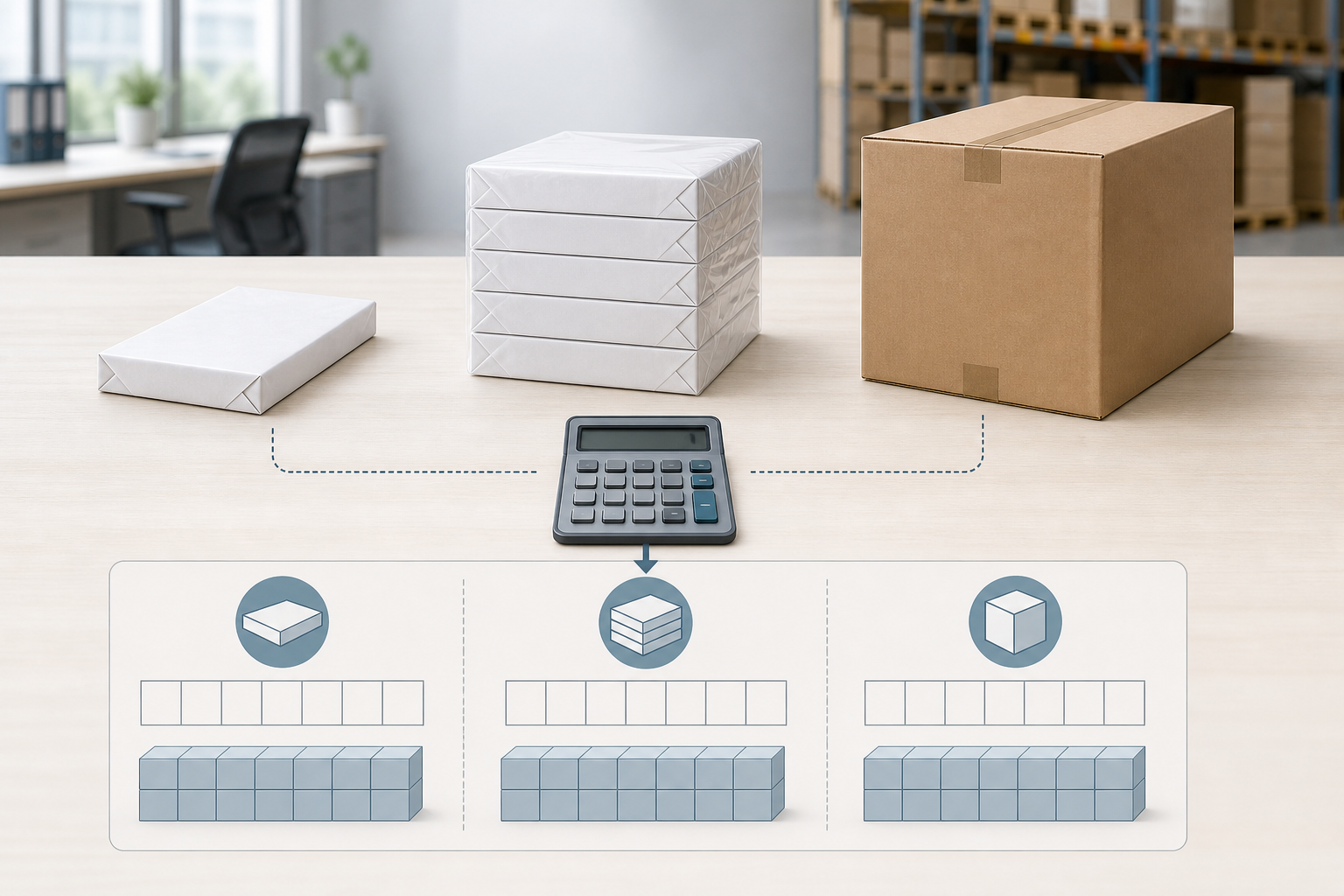
Do not compare Target copy paper, another retailer, and a supplier quote by headline package price alone. A 500-sheet ream, 750-sheet pack, and case quantity are different buying units. Use only the price visible on the current listing or the supplier quote you are reviewing, then normalize the math before discussing value.
| Comparison question | Calculation |
|---|---|
| Price per sheet | Current package price divided by total sheets in that package |
| Price per 500-sheet equivalent | Price per sheet multiplied by 500 |
| Price per case equivalent | Price per sheet multiplied by the sheet count in the case standard you are using |
For mixed formats, convert first. A 750-sheet pack equals 1.5 units of a 500-sheet ream for comparison math, but it is not automatically a ream for storage, accounting, or dispenser planning. A case may contain multiple reams, but the number of reams should be taken from the listing or quote rather than assumed.
Record sale labels, coupon conditions, quantity limits, substitutions, taxes, shipping charges, and delivery fees separately when they are visible. They can change the landed cost, but they should not be blended into a reusable benchmark unless they are part of the confirmed order terms.
Use Target as an Emergency Restock Benchmark, Not Automatically as a Replenishment Plan
A Target-style retail purchase may be reasonable when the business has a short-term gap: a copier room is down to its last ream, a school office needs paper before classes, or a small team has an immediate print run. In that case, the buyer should still verify the selected store, ZIP code, current quantity, pickup method, delivery option, shipping option, timing, pack limits, and substitution rules before treating the retail listing as dependable supply.
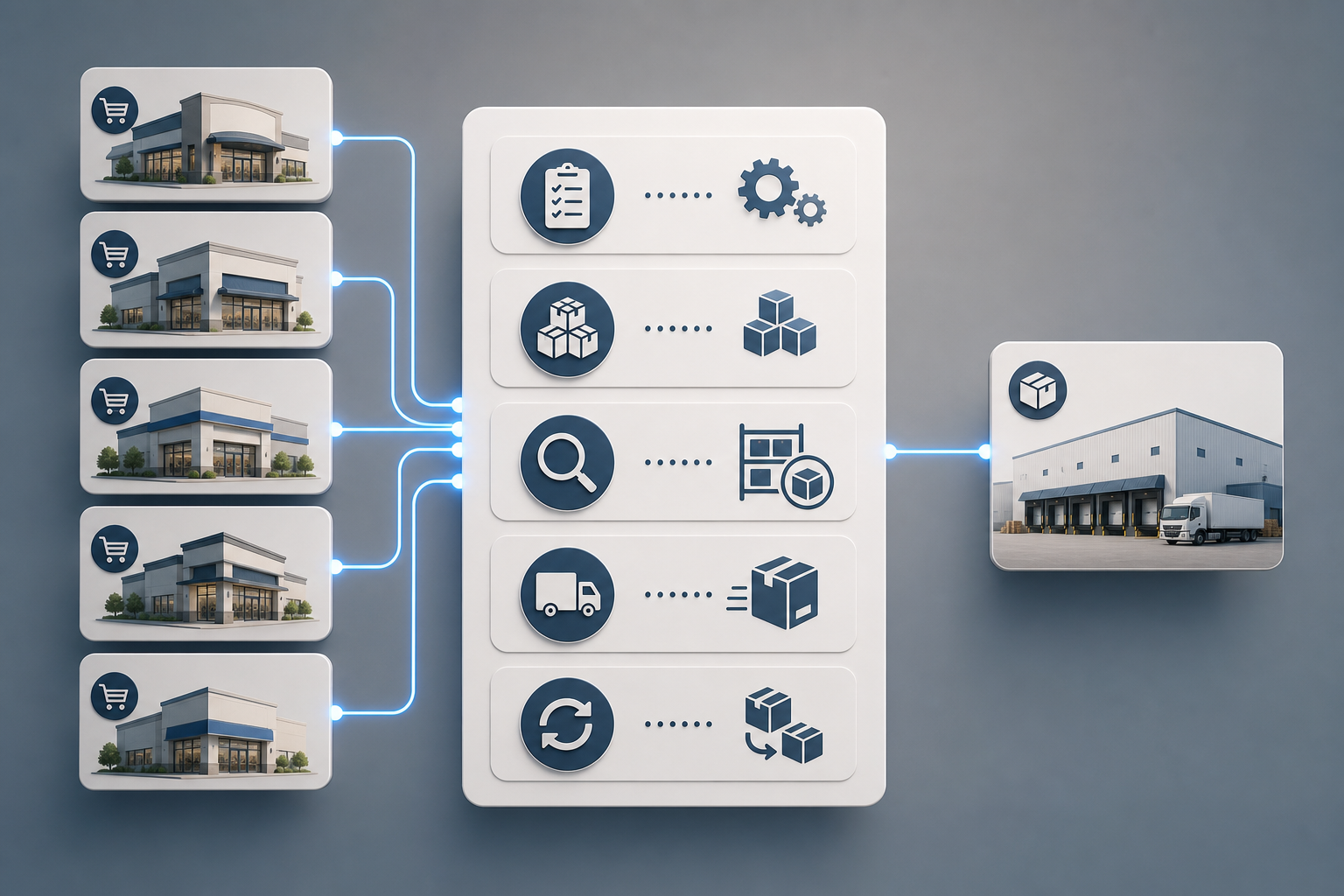
The decision changes when paper consumption becomes predictable. Recurring office printing, multiple departments, case-level consumption, scheduled school terms, or multi-location restocking usually need a replenishment plan rather than repeated retail searches. Retail pages can still help define the benchmark spec, but the operating requirement should be built from actual usage: average reams consumed, minimum stock on hand, reorder point, storage capacity, and who approves substitutions.
When to move from retail sourcing to supplier planning
- Several teams draw from the same paper inventory.
- Orders repeatedly exceed single-pack or small-cart quantities.
- Availability changes would interrupt daily printing, classroom packets, invoices, or shipping documents.
- The business needs consistent paper weight, brightness, and pack format across locations.
Assign ownership for the backup plan before stock runs low. If a retail source changes, the approved substitute should already specify acceptable size, weight, brightness, sheet count, and fulfillment timing.
Prevent Wrong Orders from Target-Style Search Results
The most expensive copy paper error is not always a high unit cost; it is approved paper that does not match the office workflow. Target-style search results mix retail products, service pages, brand pages, single packs, and bulk formats, so the buyer needs controls before purchase approval.
- A4 versus letter size: U.S. offices commonly standardize on letter size, but a listing may show A4 or 11 x 17. Confirm the printer tray, document template, and user expectation before ordering. If the request should be U.S. letter size, document the 8.5 x 11 copy paper standard clearly.
- Ream versus case wording: 500ct, 500 sheets, 750 sheets, ream, carton, and case are not interchangeable purchasing terms. The PO should state total sheets or packs, not just a casual pack name.
- Brightness assumptions: a 92-bright everyday paper and a 98-bright paper may both appear acceptable in a search result, but they may not be acceptable substitutes for presentation documents or standardized office output.
- Weight substitutions: 20 lb, 24 lb, and 28 lb papers can affect feel, opacity, storage volume, and machine expectations. Treat weight as a controlled field, not a minor label.
- Service-page confusion: Target Copy service pages are about printed projects, not necessarily blank paper replenishment. Do not convert service wording into a blank-paper purchase without clarification.
A short approval note should state which fields can be substituted and which require buyer approval.
Benchmark Target Against Walmart, Staples, Costco, and Supplier Quotes Without Declaring a Universal Winner
Retailer names are comparison sources, not conclusions. Target, Walmart, Staples, Costco, and supplier quotes may present different pack sizes, fulfillment paths, and account terms. Without current verified data, no buyer should assume one is always cheapest, fastest, or best. The practical method is to build a like-for-like benchmark from the current information in front of you.
| Benchmark field | What to enter for every option |
|---|---|
| Spec match | Size, weight, brightness, color, sheet count, and printer use case |
| Pack structure | Ream, 750-sheet pack, carton, case, total sheets, and storage fit |
| Unit math | Price per sheet, price per 500-sheet equivalent, and case-equivalent cost from current data |
| Availability check | Quantity verified at the selected store, online listing, or supplier quote source |
| Fulfillment fit | Pickup, delivery, shipping, account ordering, receiving location, and timing assumptions |
| Substitution controls | Allowed alternates, approval rules, and what happens if the listed item changes |
Save the assumptions used for comparison, including the date reviewed, pack counts, and whether fulfillment charges or taxes were included. If one option uses a smaller pack and another uses a case, normalize both before presenting a recommendation. For recurring business use, the winning option is the one that meets the required spec, quantity, timing, and procurement controls at the best confirmed terms available at the time of order.
Finish with an RFQ-Ready Copy Paper Handoff
After reviewing a Target listing, the goal is not to repeat the retail title in a purchasing email. The goal is to convert the listing into a supplier-ready requirement that can be quoted, approved, reordered, and audited. Keep the handoff specific enough that a supplier or internal buyer does not need to guess the intended size, quantity, or paper performance.
RFQ-ready sentence format
Please quote office copy paper matching this benchmark: size [8.5 x 11 letter, A4, or 11 x 17], paper weight [20 lb, 24 lb, or 28 lb as required], brightness [92 to 98 as required], sheet count [500-sheet ream, 750-sheet pack, or stated case quantity], pack format [reams per case if specified], printer use case [copier, laser, inkjet, or multipurpose], quantity [packs or cases], delivery location, timing, and approved substitution rules.
Do not ask for Target-branded paper unless your internal standard specifically requires that exact brand. In most procurement situations, the safer request is a like-for-like specification based on the listing, with any brand preference separated from required performance fields.
Use any Target listing you are considering as the benchmark, then request a like-for-like office paper quote by sharing the required size, weight, brightness, sheet count, quantity, and delivery or replenishment needs. That gives the quote process enough detail to compare the paper requirement instead of guessing from a retail product title.
Frequently Asked Questions
Is Target Copy the same as copy paper sold on Target.com?
No. Target.com retail listings usually refer to blank printer or copy paper, while Target Copy can refer to printing and copying services. Target Paper may also appear as a separate paper brand result. Check the URL, product wording, and whether the page is selling blank paper or finished print services before creating a purchase request.
How should a business verify the current Target copy paper price?
Use the active product page or store-selected listing at the time of review. Record the package price, sheet count, pack format, date checked, fulfillment fees, taxes, and any visible conditions separately. Do not treat a past Target listing or sale label as a fixed benchmark for future supplier quotes.
What should I confirm before using a Target copy paper near me result for office restocking?
Confirm the selected store or ZIP code, exact item, available quantity, pickup or delivery method, timing, limits, and substitution rules. For business-critical paper supply, also identify a backup source in case the retail quantity changes before purchase.
Should a US office choose Target A4 paper or 8.5 x 11 letter paper?
Only choose A4 if the printer setup, document templates, or department request specifically requires A4. Many US office workflows standardize on 8.5 x 11 letter paper, so buyers should verify tray settings and document requirements before approving an A4 purchase.
How can buyers compare Target copy paper with Walmart, Staples, Costco, or supplier quotes?
Compare current listings and quotes by matching size, weight, brightness, sheet count, pack structure, and fulfillment terms first. Then calculate price per sheet or per 500-sheet equivalent from the current data. Avoid naming a universal winner unless the comparison is based on the same specs and confirmed order terms.
Can a Target retail listing be used in an RFQ without requesting Target-branded paper?
Yes. A retail listing can be used as a benchmark for specs, but the RFQ should state the required size, weight, brightness, sheet count, pack format, quantity, delivery needs, and substitution rules. This lets suppliers quote a like-for-like office paper option without implying that Target-branded paper is required.